
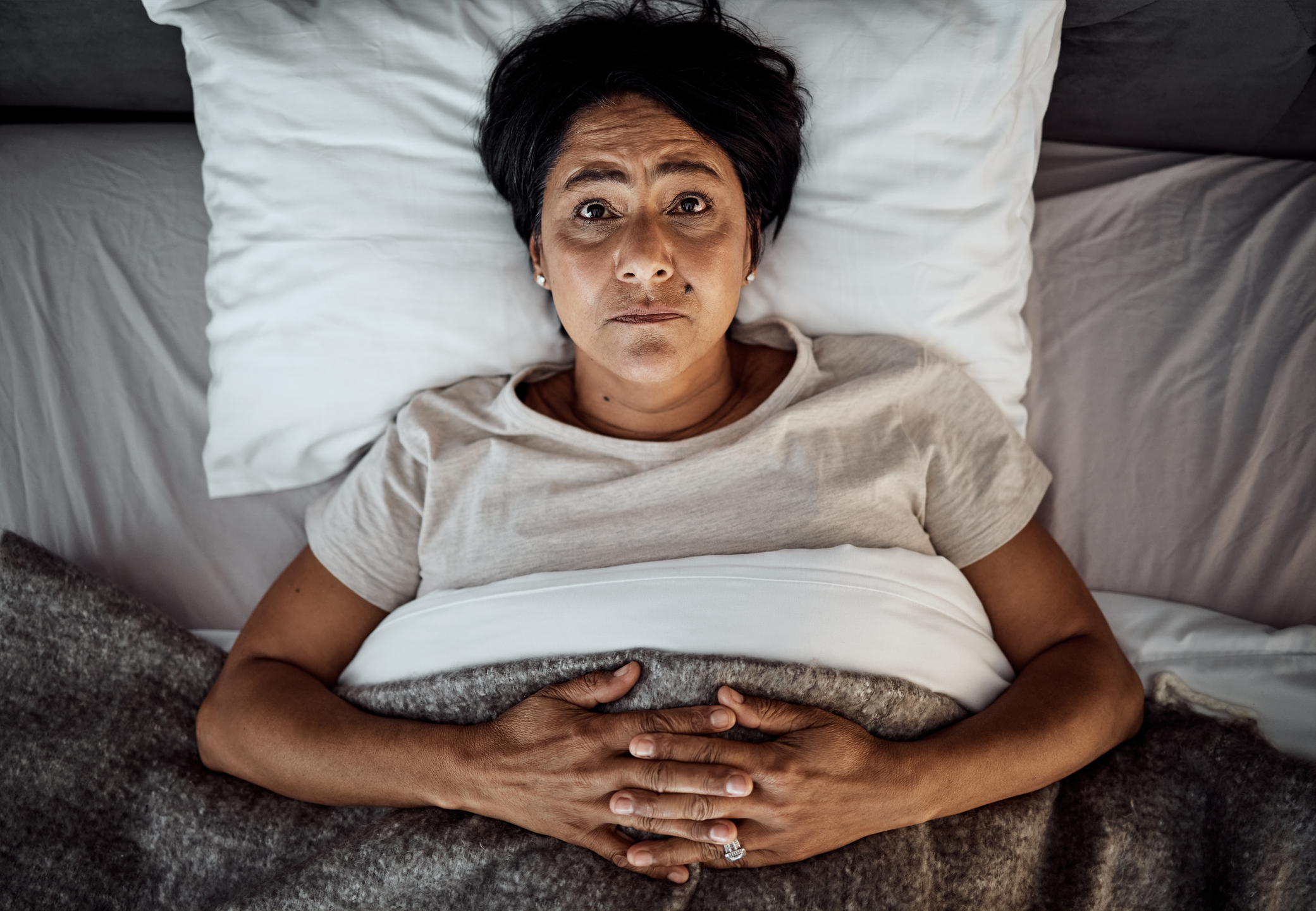
So you’ve noticed the signs. Your cycle has gotten a little unpredictable, you’re waking up at 3 a.m. drenched in sweat, or you feel like your patience has packed its bags and left town. You’ve started tracking your symptoms, and maybe you’ve already booked that first appointment.
In our last post, What Happens When You First Enter Perimenopause? Early Signs and First Steps, we covered the early signs and the first steps to take. The last of those steps was to know your treatment options. This post is all about that step.
Because the question most women ask next is: “Okay, so what can I actually do about it?”
Good news. You have more options than you might think, and you don’t have to just grit your teeth and push through. Let’s walk through the most common perimenopause treatment options, in plain language, so you can walk into your appointment feeling prepared.
Why Treatment Looks Different in Perimenopause
Remember the hormone rollercoaster from our last post? Progesterone dips first, while estrogen spikes and crashes instead of dropping in a neat line. That’s exactly why perimenopause treatment can look different from treatment after menopause.
Some treatments work by smoothing out the swings. Others work by replacing estrogen when it runs low. And some skip hormones entirely. Which one makes sense depends on where you are in the transition and what’s bothering you most.
One stat worth repeating: nearly 80% of women deal with hot flashes or night sweats during this transition, and up to one in three describe them as moderate to severe. So if you feel like you’re the only one struggling, you’re definitely not.
Treatment Starts With Your Goals
There’s no single “perimenopause treatment” that works for everyone. Before your appointment, ask yourself:
- Are hot flashes and night sweats the biggest problem?
- Are heavy or unpredictable periods taking over your life?
- Do you still need birth control? (Yes, you can still get pregnant in perimenopause.)
- Is it mostly sleep, mood, or brain fog?
Bring your answers along with the symptom tracker we suggested last time. Together, they help your provider match you with the option that actually fits your life. Experts now recommend this kind of shared decision-making, where you and your provider build the plan together.
Option 1: Hormonal Birth Control
This one surprises a lot of women. Birth control isn’t just for your 20s.
For many healthy women in their late 40s and early 50s, low-dose birth control pills can be a great perimenopause treatment. They help by smoothing out those wild hormone swings, which can:
- Reduce hot flashes
- Make periods more predictable and lighter
- Prevent pregnancy
Birth control pills are not a good fit for everyone, though. Women who smoke or have certain heart disease risk factors usually should not use them. Your provider will look at your health history to decide.
Another option is a hormonal IUD, which can help with heavy bleeding and provide birth control. It can also be paired with estrogen if hot flashes are an issue.
Option 2: Menopause Hormone Therapy (HRT)
Hormone therapy, often called HRT or MHT, is still the most effective treatment for hot flashes and vaginal symptoms. Estrogen therapy cuts the number of hot flashes by about 75%.
Hormone therapy is often a good choice for women later in perimenopause who are dealing with low-estrogen symptoms like hot flashes and brain fog. One important thing to know: the doses used in hormone therapy do not work as birth control. If you still need contraception, you’ll need to plan for that separately.
You may have heard scary things about hormone therapy over the years. Here’s what current research shows: for healthy women under 60, or within 10 years of menopause, who have bothersome symptoms, the benefits of hormone therapy usually outweigh the risks.
That said, hormone therapy isn’t safe for everyone. It’s generally not recommended if you have a history of breast cancer, endometrial cancer, heart disease, stroke, blood clots, active liver disease, or unexplained vaginal bleeding.
A quick note on “bioidentical” compounded hormones: FDA-approved bioidentical hormones exist and are well studied. Custom-compounded hormones from specialty pharmacies are different. They don’t have the same quality control, and there’s no solid research backing their safety. Stick with FDA-approved options.
Option 3: Non-Hormonal Medications
Can’t take hormones, or just prefer not to? You still have choices.
Several prescription medications can reduce hot flashes by roughly 40% to 65%, including:
- Certain antidepressants (like low-dose paroxetine or venlafaxine), which can help with hot flashes even if you aren’t depressed
- Gabapentin, which may also help if night sweats are wrecking your sleep
- Newer medications called neurokinin receptor antagonists, made specifically to target hot flashes
Each one has its own side effects, so it’s worth talking through with your provider.
Option 4: Lifestyle and Mind-Body Approaches
In our last post, we mentioned the lifestyle basics like strength training, sleep habits, and stress support. Here’s what the research says works best for symptoms. The American College of Obstetricians and Gynecologists (ACOG) suggests:
- Cognitive behavioral therapy (CBT) for hot flashes, sleep problems, and mood
- Regular exercise to improve sleep and mood
- Mindfulness practices for better sleep and less stress
- Clinical hypnosis for hot flashes and sleep
Strength training still deserves a shout-out. Since perimenopause is when bone loss and changes to heart and metabolic health start picking up, building muscle now pays off for years.
What about supplements? This is where it gets murky. Popular options like black cohosh and soy-based phytoestrogens have not clearly beaten a placebo for hot flashes in research. Always check with your provider before starting a supplement, since some can interact with medications.
Don’t Forget About Vaginal Dryness
Vaginal dryness and discomfort during sex are super common, and a lot of women are too embarrassed to bring them up. Please do. Over-the-counter moisturizers and lubricants are a good first step. If those aren’t enough, low-dose vaginal estrogen can improve symptoms by about 60% to 80%
When to Book an Appointment
Make an appointment if:
- Your symptoms are getting in the way of work, sleep, or relationships
- Your periods are very heavy, last much longer than usual, or happen very close together
- You have bleeding between periods or after sex
- Your mood feels low or anxious most days
Your symptoms are real, and they deserve real care. Unfortunately, menopause symptoms are still undertreated, so it’s okay to speak up and advocate for yourself.
You Don’t Have to Figure This Out Alone
Perimenopause is a normal part of life, but suffering through it doesn’t have to be. Whether you want hormone therapy, a non-hormonal approach, or help with lifestyle changes, the right plan can help you sleep better, think more clearly, and feel more like yourself again.
Ready to Feel Like Yourself Again?
At Maze Women’s Health, we specialize in helping women understand and navigate every stage of hormonal change. Our team takes the time to listen, look at the full picture, and build a care plan that fits your body and your life.
If your symptoms are getting in the way and you’re ready to talk treatment, schedule an appointment with Maze Women’s Health today. Let’s figure it out together.
Stay tuned for the next blog in our perimenopause series!