
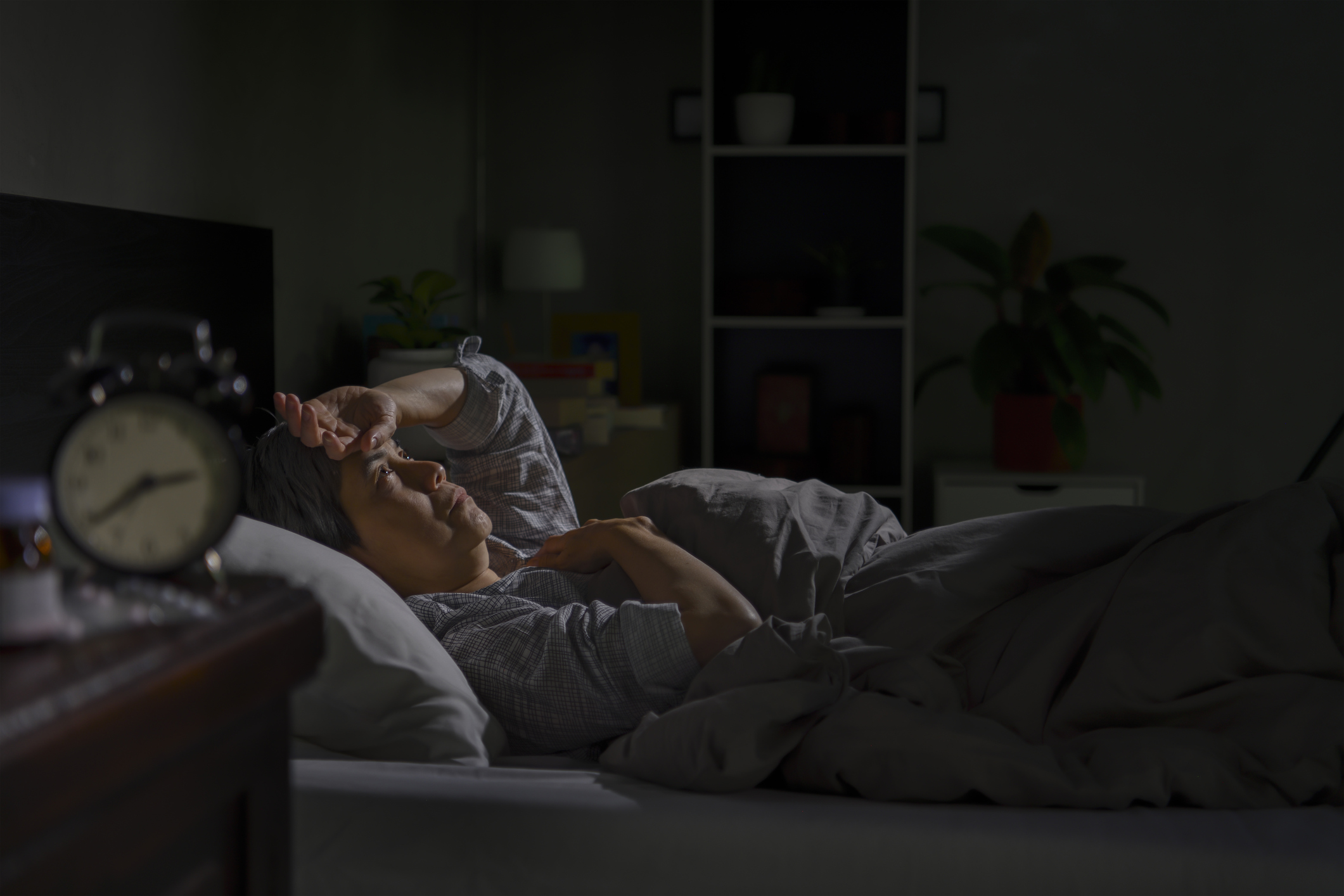
Let’s be honest. At the end of a long day, a lot of women would pick sleep over sex without a second thought. Your bed has turned into a place for scrolling, snoring partners, and staring at the ceiling at 2 a.m.
If your sex drive has gone missing, here’s something most people never think about: your sleep might be the problem.
The link between sleep and sex drive is real, it’s backed by research, and it’s one of the most overlooked parts of women’s sexual health. Let’s break it down.
Quick Answer: Does Poor Sleep Lower Sex Drive in Women?
Yes. Research shows that women with poor sleep quality are more likely to have low libido and other sexual health problems. Women with insomnia or sleep apnea are more likely to have low sexual desire, trouble with arousal, and difficulty reaching orgasm. The good news is that improving your sleep may help bring your desire back.
The Science: How Sleep and Libido Are Connected
Your sex drive isn’t just “in your head.” It depends on your hormones, your brain chemistry, your mood, and your energy. Sleep affects all four.
Here’s what the research says:
- Poor sleep quality matters most. In a Mayo Clinic study of more than 3,400 women, those with poor sleep quality were about 1.5 times more likely to have sexual dysfunction (Kling et al., Menopause, 2021).
- More sleep can mean more desire. In a study that tracked women day by day, every extra hour of sleep was linked to higher sexual desire the next day and a 14% higher chance of having sex with a partner (Kalmbach et al., Journal of Sexual Medicine, 2015).
- Sleep disorders double the risk. A large review of 43 studies found that people with sleep disorders had about twice the risk of sexual dysfunction. Obstructive sleep apnea stood out in particular (Dilixiati et al., Journal of Sexual Medicine, 2023).
- Insomnia hits women harder. Women with insomnia had higher rates of sexual dysfunction than women without it (53.8% vs. 31.8%), and the link held even after accounting for depression and anxiety (Pigeon et al., Journal of Psychosomatic Research, 2023).
Why Does Bad Sleep Kill Your Sex Drive?
Think of sleep as your body’s nightly reset button. When you skip the reset, a few things happen:
- Your hormones get off track. Reproductive hormones run on a daily rhythm. Disrupted sleep can throw off that rhythm and the hormone signals that support your cycle and desire (Beroukhim et al., Reproductive Biology and Endocrinology, 2022).
- Stress hormones stay high. Poor sleep keeps your body in “survival mode,” and survival mode is not sexy.
- Your mood takes a hit. Sleep loss, anxiety, and depression feed off each other, and all three can drain desire (Andersen and Tufik, Maturitas, 2025).
- You’re just plain exhausted. It’s hard to feel in the mood when you can barely keep your eyes open.
Sleep Disorders That Can Lower Libido
Some sleep problems go beyond a few late nights. Watch for these:
- Insomnia: trouble falling asleep, staying asleep, or waking too early
- Obstructive sleep apnea: loud snoring, gasping at night, morning headaches, and daytime sleepiness. Yes, women get sleep apnea too, and it’s often missed.
- Circadian rhythm problems: common in shift workers and night owls whose schedules fight their body clock
A large U.S. study found that women with sleep apnea or insomnia had higher odds of low sexual desire, arousal problems, and orgasm problems than similar women without sleep disorders (Agrawal et al., Urology, 2023).
Other Causes of Low Libido in Women
Sleep is one piece of the puzzle, but it’s rarely the only one. Low sexual desire is the most common sexual health concern in women, and it often peaks in midlife (Kingsberg and Woodard, Obstetrics and Gynecology, 2015). Other common causes include:
- Stress, anxiety, or depression
- Relationship issues
- Certain medications, especially some antidepressants
- Pain with sex or vaginal dryness
- Hormone changes after childbirth, while breastfeeding, or during perimenopause (catch up on our perimenopause series for more on this)
- Thyroid problems or other health conditions
How to Improve Sleep and Boost Your Sex Drive Naturally
Ready to reclaim both your sleep and your spark? Start here:
- Keep a consistent sleep schedule, even on weekends
- Make your bedroom a sleep and sex zone only. Phones, laptops, and work emails can stay out.
- Cut caffeine after noon and limit alcohol close to bedtime
- Move your body. Regular exercise and strength training support better sleep, better mood, and better energy.
- Wind down on purpose. Stretching, reading, or a warm shower tells your brain it’s time to rest.
- Get snoring checked. If you (or your partner) snore loudly or wake up gasping, ask about a sleep apnea evaluation.
- Try CBT for insomnia (CBT-I). It’s the top first-line treatment for chronic insomnia and works without sleeping pills.
Treatment Options for Low Sexual Desire
If better sleep doesn’t fully bring your desire back, you have options. Experts recommend looking at the whole picture: body, mind, and relationship.
- Therapy: Cognitive behavioral therapy, mindfulness-based therapy, and sex therapy have strong evidence for improving low desire (Faubion and Kling, Journal of Women’s Health, 2026).
- FDA-approved medications: Flibanserin (Addyi) is a nightly pill approved for women under 65 with distressing low desire, before or after menopause. Bremelanotide (Vyleesi) is an as-needed injection for premenopausal women. Both work modestly and can cause side effects. Avoid alcohol close to a flibanserin dose because the combination can cause low blood pressure and fainting (Davis, New England Journal of Medicine, 2024; Dalrymple et al., American Family Physician, 2025).
- Testosterone: Transdermal testosterone has evidence for low desire in postmenopausal women. It is not FDA-approved for women, so it’s prescribed off-label (Brotto and Altas, Current Opinion in Obstetrics and Gynecology, 2024).
- Treatment for pain or dryness: Vaginal estrogen, moisturizers, or other options can make sex comfortable again, which often helps desire follow.
Your provider will help match the right option to your health history and goals.
When to Talk to a Provider
Book an appointment if:
- Low desire is bothering you or straining your relationship
- You snore loudly, gasp at night, or feel exhausted even after a full night in bed
- Insomnia has lasted more than a few weeks
- You have pain during sex
- You’ve noticed changes in mood, your cycle, or energy
Low libido is common, but it’s not something you just have to live with.
Frequently Asked Questions About Sleep and Sex Drive
Can lack of sleep lower a woman’s sex drive? Yes. Short sleep and poor sleep quality are both linked to lower sexual desire. In one study, each extra hour of sleep was tied to higher desire the next day.
Does sleep apnea affect libido in women? Yes. Women with obstructive sleep apnea have higher odds of low desire, arousal problems, and orgasm problems.
How many hours of sleep do I need for a healthy sex drive? Most adults need 7 or more hours a night. Sleep quality matters just as much as the number of hours.
Can better sleep increase libido? For many women, improving sleep improves energy, mood, and hormone balance, all of which support desire.
What is hypoactive sexual desire disorder (HSDD)? HSDD is persistent low sexual desire that causes personal distress. It affects about 1 in 10 adult women and is treatable (Goldstein et al., Mayo Clinic Proceedings, 2017).
Wake Up Your Desire at Maze Women’s Health
At Maze Women’s Health, we know that sleep, hormones, mood, and sexual health are all connected. Our team takes the time to listen, look at the full picture, and build a plan that fits your life, without judgment and without rushing.
Want the full picture of your health? Pair your visit with body composition and fitness testing at Maze Medical Fitness Testing to see how your body is really doing. And if your partner is dealing with his own energy or libido concerns, Maze Men’s Health is here for him too.
Ready to sleep better and feel like yourself again? Schedule your appointment with Maze Women’s Health today. Your spark is worth it.
sources
- Kling JM, Kapoor E, Mara K, Faubion SS. Associations of Sleep and Female Sexual Function: Good Sleep Quality Matters. Menopause. 2021.
- Kalmbach DA, Arnedt JT, Pillai V, Ciesla JA. The Impact of Sleep on Female Sexual Response and Behavior: A Pilot Study. Journal of Sexual Medicine. 2015.
- Dilixiati D, et al. The Relationship Between Sleep Disorders, Quality, and Duration and Sexual Dysfunction: A Systematic Review and Meta-Analysis. Journal of Sexual Medicine. 2023.
- Agrawal P, et al. Sleep Disorders Are Associated With Female Sexual Desire and Genital Response: A U.S. Claims Database Analysis. Urology. 2023.
- Davis SR. Sexual Dysfunction in Women. New England Journal of Medicine. 2024.