
Female Orgasm Dysfunction, O-Shot® Treatment & Female Sexual Satisfaction
The ability to experience orgasm is closely linked to sexual satisfaction, intimacy, and overall confidence. While the vast majority of women are physiologically capable of orgasm, many experience difficulty reaching climax, weaker orgasms, or reduced intensity, particularly during intercourse or as they age. At Maze Health, we specialize in diagnosing and treating women’s orgasm dysfunction, with advanced therapies such as the O-Shot® in Westchester, New York City, Connecticut, and New Jersey.
Maze’s Unique Approach to Dyspareunia
Orgasm problems are rarely random. They are influenced by hormones, blood flow, nerve sensitivity, medications, and emotional factors. Many women are told their difficulty is psychological when there may be clear physiological contributors.

At Maze, we evaluate:
- Hormonal balance (including testosterone-related hormones)
- Vaginal and clitoral blood flow
- Medication side effects (especially antidepressants)
- Arousal patterns and stimulation patterns
- Age-related vascular changes
By identifying the true cause — whether hormonal, neurological, medication-related, or stimulation-related — we create a targeted treatment plan rather than offering generic advice.
Only about 30% of women achieve orgasm through intercourse alone. Most women require direct clitoral stimulation to climax. This is normal physiology, not dysfunction. Many women labeled “anorgasmic” are simply typical in their response patterns.
Understanding what is biologically normal is often the first step in reducing frustration and restoring confidence.
Understanding Female Orgasm
An orgasm is the intense physical release at the peak of sexual excitement.
During arousal:
- Blood flow increases to the vulva and vagina
- The clitoris becomes engorged
- Nipples may become erect
- General body tension builds
As stimulation increases, nerve signals intensify until a threshold is reached. At that point, involuntary muscular contractions occur in the uterus and vagina, followed by a release of tension and a relaxed resolution phase.
There is no medical distinction between clitoral and vaginal orgasms. Sensitivity varies by individual based on nerve density, blood flow, and stimulation patterns. No orgasm is “better” than another.
Orgasms are beneficial for vaginal health — they increase blood flow and help maintain tissue elasticity and moisture.
Common Reasons for Weak or Absent Orgasms

Women may experience:
- Inability to reach orgasm
- Delayed orgasm
- Weaker orgasms
- Reduced sensation
- Difficulty climaxing during intercourse
Hormonal Changes
Low testosterone-related hormones during perimenopause and menopause can reduce both desire and orgasm intensity.
Reduced Blood Flow
Aging or certain medical conditions may impair genital blood flow, limiting clitoral engorgement and orgasm strength.
Medication Effects
SSRIs and SNRIs (Prozac, Effexor, Lexapro) commonly reduce libido and blunt orgasm. In rare cases, Post-SSRI Sexual Dysfunction (PSSD) may persist even after stopping medication.
Birth Control Pills
Hormonal contraceptives may reduce free testosterone and diminish sensitivity.
Stimulation Patterns
Most women require direct clitoral stimulation. Intercourse alone often does not provide sufficient stimulation for orgasm.
If you have experienced pleasurable orgasms in the past, it is very likely that with the proper combination of medical and emotional support, you can do so again.
Aging and Orgasm
It is common for women to report that orgasms feel less intense or harder to achieve with age.

Contributing factors may include:
- Hormone insufficiency
- Decreased vaginal blood circulation
- Reduced clitoral engorgement
- Medication side effects
If blood flow to the clitoris is insufficient, it may not fully engorge — similar to erectile dysfunction in men.
When engorgement decreases, orgasm intensity often decreases as well.
These changes are treatable.
What Is the O-Shot®?
The O-Shot® (Orgasm Shot) is a regenerative treatment designed to increase vaginal and clitoral sensitivity and improve orgasmic function.
The goal is to:
- Stimulate tissue regeneration
- Improve blood flow
- Enhance nerve responsiveness
- Increase sensitivity
- Improve orgasm strength
The G-Spot and Sexual Sensitivity

Some women find this area highly responsive and may experience:
- More intense orgasms
- A different orgasmic sensation
- Fluid release during climax
Others do not find this area particularly sensitive. Variation is normal. There is no “correct” way to experience pleasure.
The Maze Process
Evaluation begins with a detailed sexual and medical history, including:
- Hormonal assessment
- Medication review
- Baseline orgasm function
- Arousal and stimulation patterns
Based on findings, we develop a personalized treatment plan that may include:
- Hormone optimization
- Blood flow enhancement therapies
- Medication adjustments
- Regenerative therapy such as the O-Shot®
- Behavioral and stimulation strategies
Follow-up appointments ensure progress is monitored and treatment is refined for optimal results.
If you are experiencing difficulty achieving orgasm in Westchester, NYC, Connecticut, or New Jersey, Maze Health offers physician-directed treatment designed to restore sexual satisfaction and confidence.
About Dr. Werner and Maze
About Dr. Werner
About Maze
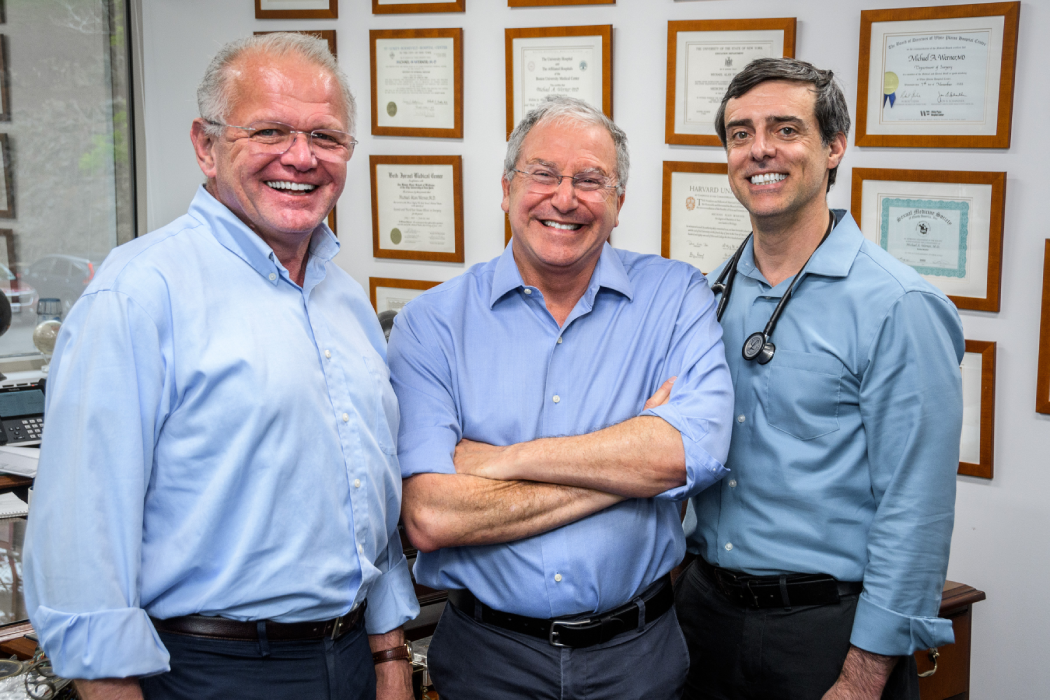


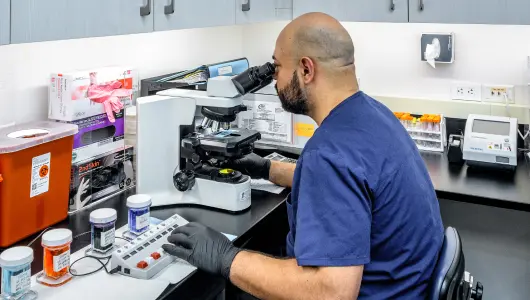


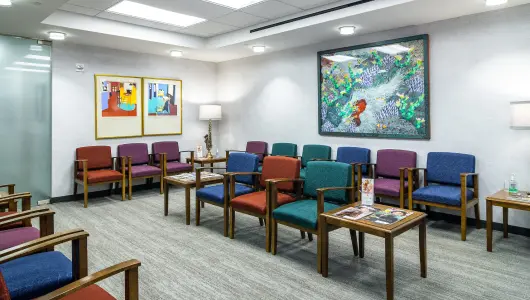


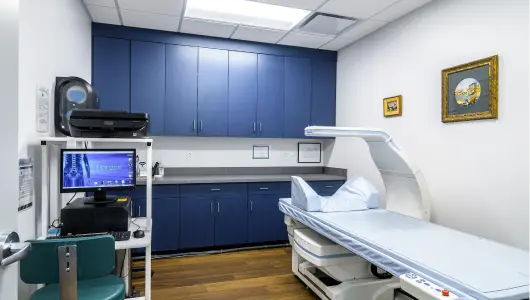
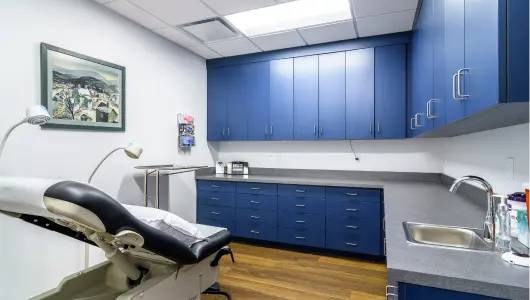
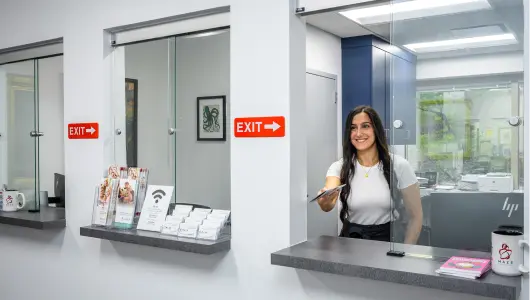
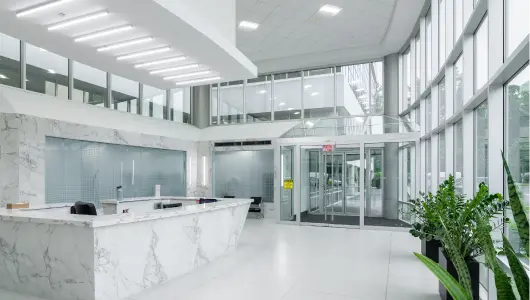
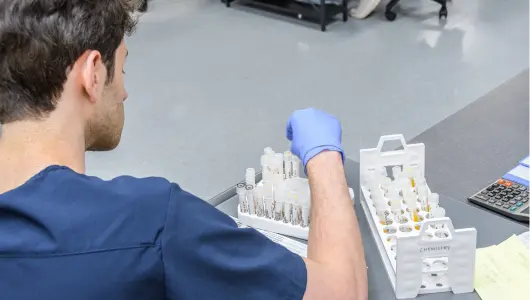
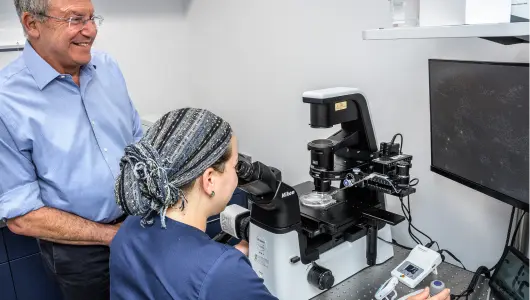
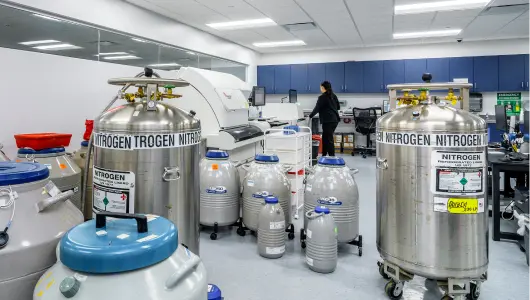
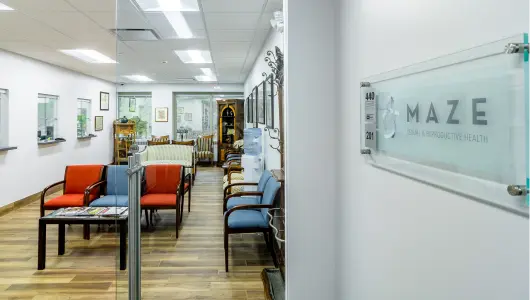
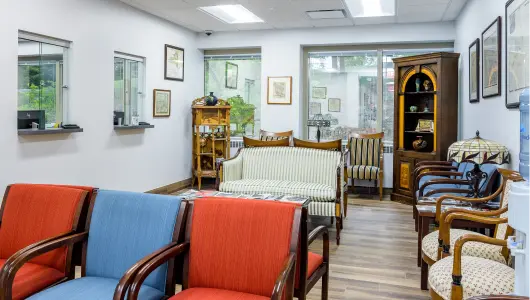
Maze facilities
Areas served

Patient Stories
It's OK to experience the pleasure of an Orgasm.
I am a 45 year old woman and have been married to my husband for 14 years. I have been sexually active since I was in my late teens. And, until I was 44 years old and was treated by Dr. Marcus and her staff, I never experienced an orgasm. I have always had a strong sexual desire. I am also extremely happy with my body I am lucky to have good genes and am tall and thin. My husband is very good looking and I am attracted to him. But, for some reason, I could not orgasm. Because I was satisfied with my sex life, I never really thought to look into it and why I couldn’t orgasm. I would hear my friends and others discuss it and it bothered me some. As I got older and had children and started focusing more on me, it started to bother me more. I thought from the friends that I spoke to that it should be easy — have sex, have an orgasm. I thought maybe something was wrong with me medically. So, it took some time but I finally got the courage to ask my OB/GYN about it. I cried when I told her. She suggested that I see Dr. Marcus. I hesitated a bit but then I finally made the call. It was a bit difficult making the first call. I made an appointment. At the appointment, I had to fill out a long questionnaire. Filling out the questionnaire, my sex life seemed very normal and the only issue was the orgasm.
Dr. Marcus was extremely approachable and so easy to talk to. She allowed me to completely keep my guard down and open up to her about my issue. She asked a lot of great questions and never made me feel like there was a problem — just the opposite. They took tests to rule out any medical issues — which they did. Dr. Marcus suggested that I use and try out various vibrators. I had not been using them before and was not very interested in pleasuring myself. She gave me the vibrators to take home (they were new). I did and after a few tries (about a month later), I had my first orgasm. My husband was out of the house with the boys for hours and I had the house to myself. I was able to relax and concentrate on the orgasm. An important piece was that Dr. Marcus told me that it was OK to experience the pleasure of the orgasm. It was a bit painful at first but I worked through it. Since then I have been able to orgasm with the vibrator. It has been great! I am so thankful to Dr. Marcus and her team for helping me to achieve an orgasm and make me feel comfortable while doing so.
D, NJ, Age 45
No/weak orgasm and low testosterone:
I never had an orgasm. I felt that I was missing a big part of my life. My husband was only the 3rd person I had ever had intercourse with, and I was never satisfied. I knew I wasn’t having orgasms because I read a lot of romance novels, and knew that if I was having one, I would know!
When I came to Maze, I found out that I had low testosterone. I had no idea, since no one had ever tested me for that before. The reason behind my lack of orgasm was a combination of both the low testosterone and psychological barriers as well.
I had spoken to my OB/Gyn about the issue before I found Maze, and the only advice I got was to masturbate…what?!?!?! Between my two kids and my fulltime job, when was that going to happen??
I saw an ad for Maze Women’s Sexual Health in the Fairfield business journal, and kept it for two years before I called, because at the time I was pregnant. After giving birth, I was nursing, so finally, after two years, I was ready to take care of this issue.
Calling for my first appointment was easy for me, but I was very unsure what to expect once I got here, since the pregnancy has caused the lining in my vagina to get thin, making intercourse very painful. I was treated for pain first with dilators and lubricants. I was also given testosterone and Wellbutrin, and was monitored closely to see what dosage was correct. Eventually, I was taken off Wellbutrin and cut back on the testosterone. By my second year in treatment, I had an orgasm!
I am so happy I came to Maze. I learned that I wasn’t alone, that there are so many people out there that have the same issues. There really is hope.
B, NY, Age 44
Lost sex drive after depression; adrenal fatigue:
A few years ago I got sick which caused depression and adrenal fatigue. I had completely lost my sex drive and was unable to become aroused. I had also never had an orgasm and didn’t know how. I went on like this for two years! I had asked my OBGYN many times about orgasms and was brushed off. When I switched doctors, the new one referred me to your facility and said that if I was not happy with my sex life I should seek help from a professional.
It was extremely hard to make the first call. I was embarrassed by my inability to orgasm. I had no idea that my lack of arousal was chemical. I also knew it was not covered under insurance and that was a huge financial concern. The person I spoke to when I called was unbelievably nice to me. When I heard the out of pocket cost I said there was no way that I could commit to paying that much when I didn’t even know if I had a real problem. She very kindly explained to me that if I got as far as making the call to their office, I very likely had an issue and that I deserved to be helped. She was confident you could help which convinced me it was worth a visit. She made me feel comfortable with the decision.
At my first appointment it was really hard to fill out the questionnaire, but it was very helpful. While I was filling it out it became very clear that I did have a problem and I was in the right place to receive help. I got excited at the thought that by the end of my treatment I would be able to answer yes to a lot more questions. At first I was nervous and it was difficult for me to talk openly about my issues. Bat Sheva and Kathleen were so supportive and made my issues sound so common that I was able to get over my nervousness and feel comfortable. Again, I got excited at the idea that I would have a normal sex life again.
I was put on DHEA and Wellbutrin. After a few months of that I was given 5 toys to try to find the ones I liked and was then instructed to read erotica daily. It worked! I was able to orgasm after a little over a month with their coaching.
My desire is still normal. I am currently decreasing my Wellbutrin and have gone off DHEA completely.
I’m so happy that I have overcome the issues that I came in for. I was so discouraged when I first came in and didn’t think I would ever have a normal sex life. I feel empowered and actually feel extremely comfortable talking about my past issues. I have even inspired a friend to get help with her issues. I’m proud that I got the help that I needed and now realize that having a healthy sex life is part of having a healthy life. I am a little frustrated that I can’t orgasm without a vibrator and still have not been able to orgasm with a partner, but I’m hopeful that will happen in the future with the right person.
You deserve to be happy and healthy. There is no shame in wanting a healthy sex life. Not being able to orgasm or low desire is as much a medical condition as having chronic headaches.
A, CT, Age 30
Overcoming low desire and painful intercourse:
The last time I was in the office I told Dr. Marcus that she will be remembered for her contribution to Female Sexuality the way that Margaret Sanger was with birth control.
I read the article and I could not agree more. It took a great deal of courage for me to pick up the phone and make that first appointment.
I had spoken with a psychotherapist at length about the problem itching, discomfort and pain in my vagina; loss of desire that had nothing to do with my attraction to and love for my partner and finally my inability to achieve orgasms after being someone who previously had no sexual problems and certainly no problems achieving and orgasm.
As I was in a new relationship my therapist said it was just a matter of getting comfortable with a new person. I know my body and I knew she was wrong. I tried the ‘herbal cures”, specifically Thandia from Native Remedies. Three months and I felt no difference.
I have been on Dr. Marcus’ s treatment regime for less than a month. The vaginal dryness and discomfort ended the first week. My level of sexual desire has returned almost to the level it was before I noticed a change and this weekend I had an orgasm that was as good as some of the ones I had at 30.
So, I am a firm believer that there is no “magic pill” but a complex mixture of supports that Dr. Marcus has developed for each patient. You saved my sexuality and thus my relationship which is a huge part of my ongoing happiness.
M, NY, Age 66
No/weak orgasms — vibrators:
The hardest thing about going to Maze Women’s Sexual Health was trying to figure out how I was going to talk to them. I kept practicing the words in my head and I couldn’t figure out how to tell them that I wasn’t getting “turned on.” I wasn’t getting wet and sex just didn’t feel “good.” Like I thought it was supposed to. I didn’t even realize I wasn’t having orgasms.
The first visit was only hard for about the first two minutes. The doctors at the center were so great about asking questions. Talking to them seemed so normal that I forgot to be nervous. I felt like I was talking about shopping.
They prescribed some creams, some medicine and let me try out some vibrators.
I couldn’t believe I was using a vibrator. Me! I’ll never forget the first time I tried it by myself and all of a sudden I understood what everyone was talking about and what I had been missing! But then I had to break the news to my husband. We had been having sex for about 10 years and he thought everything was fine.
I never told him the truth. The doctors at the center helped me with that too. We spent time talking about how to talk to him, how important it was to tell him the truth. Eventually I did tell him. He was pretty upset initially, but then, when he got over it, he seemed really excited and happy that things were changing for me.
We have a great sex life now and I feel “normal,” thanks to everyone at Maze.
J.N, NJ, Age 50
After my second child, I never got my libido back.
Sex with my husband was great until after the birth of my second child. After my second child, I never got my libido back and didn’t feel normal. Sex was the last thing on my mind. I mentioned this to my gynecologist and she assured me that it was normal, but it didn’t feel normal.
Another year passed and I got to the point where I didn’t want my husband to touch me. Intimacy was physically and emotionally uncomfortable. When I went to the gynecologist this time, she gave me the number for Maze Women’s Sexual Health. I wasn’t ready to contact them, still thinking that it was just stress-related and would probably pass.
Another year passed and now I just felt sexually numb below the waist. I would fight with my husband about my lack of interest. When we would have sex, it started hurting, making sex even less desirable. I had absolutely no sexual pleasure.
This was the point when I felt things were unbearable and I went to Maze. From the first meeting, Bat Sheva made me feel very comfortable. I hadn’t opened up to anyone but my gynecologist and I found Bat Sheva and Melissa very easy to talk to.
I had a physical exam and my blood test found that I had an extremely low level of the combination of hormones that create sexual desire and pleasure. Now it all made sense; it wasn’t just in my head. Melissa and Bat Sheva discussed different options with me and decided to start me with hormones and medication. In addition, they gave me a vibrator to help with stimulation. While the vibrator might seem strange, my husband and I were open to it and it definitely helped.
I started to feel much better and even discussed coming off the medication. Unfortunately, during this time, I wasn’t as diligent about using the hormones as I should have been. I started using the cream every other day or even every third day. Over the next few months, I noticed my sexual pleasure was the same, but the desire for it had decreased somewhat. Melissa ran another blood test and my hormones were low again. I started using them religiously again and my mood stabilized.
Today, things are much better with my husband and me. I am still using the hormones. My husband and I still use the vibrator and have noticed it helps tremendously. My husband has said quite often, “I feel like I have my wife back,” and I feel like myself again.
C, Age 38
Maze changed my life and my marriage — now I have hope.
Before coming to Maze Women’s Sexual Health I was lost. After 6 years of consulting doctors, psychologists and psychiatrists I had gotten nowhere closer to finding my lost libido. Maybe it was due to lack of exercise, maybe a repressed childhood trauma, maybe some physical issue that doctors couldn’t diagnose or maybe it was all in my head and I just needed to will myself back to how I used to feel. All this advice, yet nothing seemed to work.
I saw an interview with Dr. Bat Sheva Marcus and checked out the Maze website. Was it possible there might be an avenue I hadn’t yet explored? I sent an inquiry via email and looked over the information I received in the mail. It looked promising but I didn’t reach out right away. I guess I just hadn’t hit rock bottom.
Then, after 9 months without intimacy my marriage was strained and I needed to do something, anything. I realized I had admitted defeat over what seemed like an insurmountable problem and my husband, who I love so dearly, was also paying the price for my surrender. It wasn’t fair to either of us and I wasn’t ready to give up! I called Maze Women’s Sexual Health and set up an appointment for the next week.
I showed up in the office for that first visit without hope and in tears. I was welcomed warmly, and after describing my symptoms I found it impossible to believe that these women could put their finger on a highly probably diagnosis in less than an hour! They seemed so certain, textbook case, I showed all the symptoms. After the blood work proved their hypothesis I became a believer and after a month or so of treatment my husband did too.
Now, after a little more than a year of treatment I can say without hesitation that the Maze changed my life and my marriage. Things aren’t perfect, not yet anyway, but I’ve gotten a valuable part of my life back on track and have something I didn’t have for years; hope.
What this experience has taught me is that a woman’s sexual satisfaction is no more complicated than a man’s and I now have access to a team of highly trained professionals who are committed to that satisfaction for every woman, no matter how dire her circumstances or how hopeless her case may seem at the outset.
Take the step and make the call, the Maze Women’s Sexual Health views women’s issues in a completely different way than anywhere I’ve ever been. They are both warm and clinical, pairing science with support. They are involved with cutting-edge research and clinical trials, and if they can help me they can help all women.