
Perimenopause Treatment in Westchester & New York City (NYC)
What is Perimenopause?

When does it start, and how long does it last? There’s no single trigger or fixed starting age — perimenopause is diagnosed by the pattern of symptoms and cycle changes a woman experiences, not by a lab test or birthday. Most women begin noticing changes in their 40s, commonly in the mid-to-late 40s, though it’s entirely normal for symptoms to start in the mid-30s for some women. By age 40, some degree of perimenopausal change is common. The transition itself typically lasts around four to eight years, though it can run shorter or considerably longer — anywhere from a couple of years to more than a decade — before reaching menopause, which occurs at a median age of about 51 to 52 in the United States.
Emerging research points to what’s known as the “timing hypothesis”: treatments like hormone therapy tend to offer the greatest benefit — with the most favorable safety profile — when started close to the onset of perimenopause! As opposed to the common misconception, especially about hormones, the earlier treatment is initiated, the better for your long-term health! This approach has been adopted by all of the major menopause societies!
Maze’s Unique Approach
At Maze Women’s Health, we specialize in perimenopause evaluation, hormone health, and personalized menopause transition treatment, helping women understand their symptoms and explore effective, evidence-based solutions. Our comprehensive approach may include menopausal hormone therapy (HRT/MHT), non-hormonal medications, bone density screening, cardiovascular risk assessment, metabolic testing, nutrition, exercise, and lifestyle strategies, tailored to each woman’s medical history, symptoms, and long-term health goals. Whether you’re experiencing subtle cognitive changes, unpredictable menstrual cycles, or disruptive hormonal symptoms, you don’t have to wait until menopause to seek help. Early perimenopause care can improve your quality of life today while supporting your bone health, heart health, and healthy aging for years to come.
Schedule a consultation with Maze Women’s Health to better understand your hormonal changes and develop a treatment plan designed around you.

Symptoms & Treatment
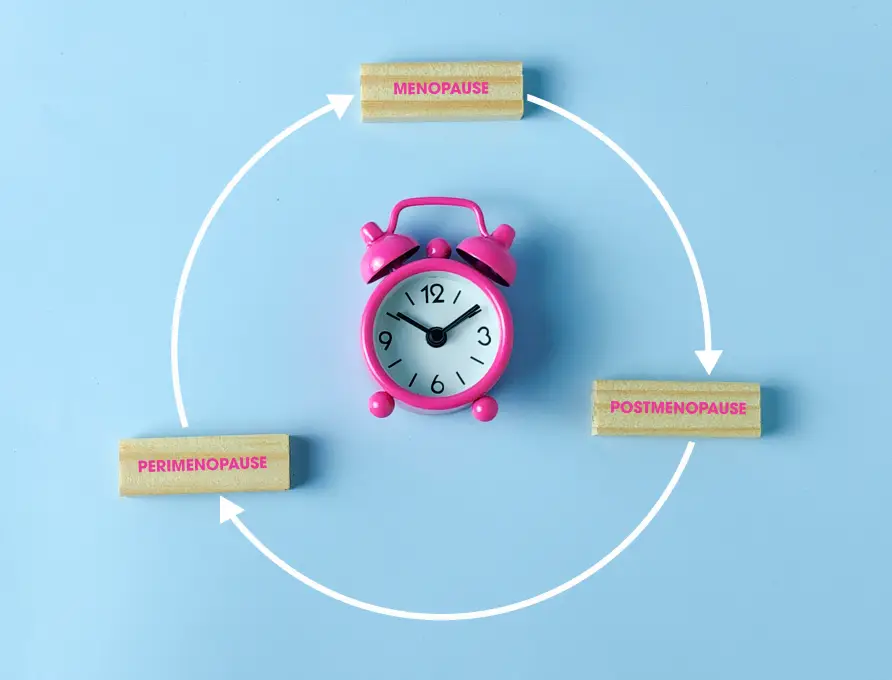
Perimenopause symptoms can affect nearly every aspect of a woman’s health, and no two women experience them the same way. From irregular periods, heavy menstrual bleeding, hot flashes, and night sweats to brain fog, memory changes, mood swings, anxiety, depression, fatigue, and sleep disturbances, fluctuating estrogen and progesterone levels can trigger a wide range of physical, mental, and emotional changes. These symptoms can begin years before menopause and may change in frequency and severity over time.
At Maze Women’s Health, we take a comprehensive, individualized approach to perimenopause diagnosis, symptom relief, and treatment, addressing your unique concerns through evidence-based options including menopausal hormone therapy (HRT/MHT), non-hormonal medications, and lifestyle modifications. Whether you’re struggling with disrupted sleep, unpredictable menstrual cycles, persistent hot flashes, or changes in your mood, our goal is to help you understand what’s happening in your body, explore effective perimenopause treatment options, and regain control of your health and quality of life.
Perimenopause & Postpartum

Vaginal, Sexual & Urinary Health

Brain Fog & Memory Changes
We take a comprehensive approach to evaluating perimenopause-related memory changes and cognitive symptoms, considering hormonal fluctuations, sleep disturbances, stress, anxiety, thyroid conditions, iron deficiency, and other potential contributors. Our personalized approach to perimenopause symptom management focuses on identifying underlying causes and exploring evidence-based strategies to improve sleep, support cognitive health, and restore mental clarity. Brain fog during perimenopause is real, and persistent memory changes deserve to be taken seriously, not dismissed as a normal part of aging.
Weight, Gut Health, & Joint Pain
Weight gain, belly fat, bloating, digestive issues, joint pain, and muscle loss are common but often overlooked symptoms of perimenopause and hormonal changes in women. As estrogen and progesterone levels fluctuate, women may experience slower metabolism, changes in body composition, increased abdominal fat, difficulty losing weight, constipation, food sensitivities, joint stiffness, and unexplained shoulder pain, including a condition known as frozen shoulder (adhesive capsulitis). These changes can affect energy levels, mobility, digestive health, and overall quality of life, even when diet and exercise habits haven’t changed.

We take a comprehensive, individualized approach to perimenopause weight management, metabolic health, gut health, and joint pain evaluation. Our evidence-based strategies include strength training, personalized nutrition, body composition testing, resting metabolic rate testing, lifestyle modifications, and medical weight management, including GLP-1 medications when clinically appropriate. We also evaluate digestive concerns, hormonal changes, and musculoskeletal symptoms to identify potential underlying causes and appropriate treatment options. Whether you’re struggling with stubborn perimenopause belly fat, unexplained weight gain, persistent bloating, or joint stiffness, our goal is to help you better understand your changing body, preserve muscle mass, support long-term metabolic health, and feel stronger and healthier throughout the menopausal transition.
Pre-Existing Health Conditions
We take a personalized, evidence-based approach to managing perimenopause with chronic health conditions, evaluating how hormonal fluctuations may interact with existing diagnoses while considering individual medical history and risk factors. Our approach includes individualized hormone therapy assessments, non-hormonal perimenopause treatments, and coordinated care with specialists when appropriate. Whether you’re experiencing worsening symptoms of an existing condition or wondering whether hormone therapy is safe with a family history of cancer, our goal is to help you understand your options and develop a treatment plan that prioritizes symptom relief, safety, and long-term health.
About Dr. Werner and Maze
About Dr. Werner
About Maze













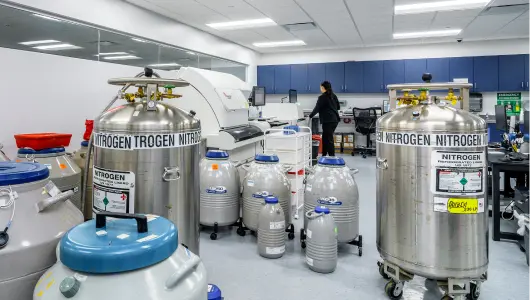


Maze facilities
Areas served

Patient Stories
Maria, Age 47
Meet Maria
Maria is 47 years old. For the last 8 months she has been having hot flashes and night sweats — sometimes 8 to 10 times a day — that soak her sheets and wake her up almost every night. She’s exhausted.
Her periods, which used to come like clockwork every 28 days, are now all over the place: sometimes 3 weeks apart, sometimes 6, and twice they’ve been so heavy she needed extra protection.
On top of all that, she feels irritable and down, has trouble concentrating (“brain fog”), notices less interest in sex, and has vaginal dryness that makes sex uncomfortable. She’s tired all the time and it’s affecting her work.
Maria’s health background:
- Migraine headaches
- Higher body weight
- Blood sugar in the “prediabetes” range
- Slightly high blood pressure (not yet treated)
- Used to smoke, quit 3 years ago
- Has about 2 alcoholic drinks most evenings
- Uses no birth control — “I figured I was too old to get pregnant”
What’s going on?
Maria is in perimenopause — the transition years leading up to menopause when hormone levels rise and fall unpredictably. This is the most likely explanation for nearly all of her symptoms: the hot flashes, irregular periods, mood changes, brain fog, and vaginal dryness are all classic.
Does she need a blood test to know?
Usually not. In women over 45, perimenopause is diagnosed from age, changing periods, and typical symptoms. The common “hormone test” (FSH) bounces around so much during these years that it often isn’t helpful, so clinicians usually don’t rely on it.
But a few things still need checking. Not everything should be blamed on “the change” without a look:
- A pregnancy test — women in perimenopause can still ovulate and get pregnant, and Maria isn’t using birth control.
- A thyroid test — an overactive thyroid can also cause sweating, fatigue, and mood changes.
- A look at the heavy, irregular bleeding — often with a pelvic ultrasound and sometimes a small sampling of the uterine lining, to make sure nothing else is causing it.
- A mood check — depression is common in these years and deserves attention in its own right.
- Blood pressure, blood sugar, and cholesterol — to get a clear picture of her heart health.
Why Maria’s case is complicated
Maria isn’t a simple case, and that’s the point. Several things overlap and affect what treatments are safe for her:
- Weight, prediabetes, and high blood pressure all raise her risk for heart disease.
- She gets migraines.
- She still needs birth control.
- She has heavy bleeding that needs to be checked.
- She has mood symptoms.
The perimenopause years are also a time when heart and metabolic risks tend to climb, so this is an important moment to pay attention to overall health — not just hot flashes.
Maria’s plan
Every woman’s plan is different. Here’s how Maria’s care team might approach hers.
Get blood pressure and overall health in order first. Before starting hormone treatment, it’s important to check and manage things like blood pressure, blood sugar, and cholesterol. For most women who are under 60 and within 10 years of menopause, hormone therapy is generally safe when there’s no reason to avoid it.
Sort out birth control. Maria still needs it. A birth control method that contains estrogen isn’t the best choice for her because of her blood pressure, weight, smoking history, and migraines. A progestin-only option — such as a hormonal IUD — is often a good fit, and a hormonal IUD has a bonus: it can also calm heavy bleeding and protect the uterus.
Hot flashes and night sweats. Hormone therapy (estrogen) is the most effective treatment and can cut hot flashes by about three-quarters. An estrogen patch through the skin is often preferred for someone like Maria. Because she still has her uterus, estrogen must be paired with a progestogen (or a hormonal IUD) to keep the uterine lining healthy.
If she’d rather not use hormones — or they aren’t a good fit — there are effective non-hormonal options, including certain antidepressant medicines (some also help mood at the same time), a nerve medicine called gabapentin, a bladder medicine called oxybutynin, and a newer medicine called fezolinetant made specifically for hot flashes.
Vaginal dryness and painful sex. Simple over-the-counter vaginal moisturizers are a reasonable first step. If more help is needed, low-dose vaginal estrogen (a small insert or ring) works well and uses only a tiny amount of hormone. Any unexpected vaginal bleeding should always be reported to a clinician.
Mood, sleep, and lifestyle. Low mood deserves real attention and treatment. Talk therapy (such as cognitive behavioral therapy) can ease the distress of hot flashes. Regular exercise, a healthy diet, reaching a healthy weight, cutting back on alcohol, and getting enough calcium and vitamin D all support the body and mind during this time. Herbal supplements like black cohosh and “phytoestrogens” haven’t been shown to work better than a sugar pill and generally aren’t recommended.
Checking back in. Maria and her clinician would review how she’s doing at about 3 months and then at least once a year, adjusting as her needs change.
The takeaways for you
- Perimenopause is usually diagnosed from your age, your changing periods, and your symptoms — not a single blood test.
- Don’t assume you can’t get pregnant; talk about birth control if you still need it.
- Heavy or unusual bleeding should always be checked, not just chalked up to menopause.
- The right treatment depends on your whole health picture, including your heart, your history, and your mood.
- Hormone therapy is the most effective option for hot flashes and dryness, but good non-hormonal choices exist too.
- There’s no one-size-fits-all — work with your clinician to build a plan that fits you.
Maria, Age 47
Karen, Age 49
Meet Karen
Karen is 49 years old. She has been taking a combined birth control pill (one with both estrogen and progestin) since her late 30s — partly to prevent pregnancy and partly because it made her periods lighter and more predictable.
Lately she’s been wondering: “Am I in menopause yet? Should I still be on the pill? How would I even know, since the pill controls my periods?”
She feels mostly well, but during the placebo week (the “sugar pill” days at the end of her pack), she notices hot flashes, poor sleep, and low mood — and then they settle down once she starts the next pack. She’s also noticed a little more vaginal dryness.
Karen’s health background:
- Never smoked
- Healthy weight, blood pressure normal
- No migraines, no history of blood clots or breast cancer
- Blood sugar and cholesterol normal
- Takes a combined birth control pill daily
What’s going on?
Karen is almost certainly in perimenopause — the transition years leading up to menopause. Her tip-off is the pattern of hot flashes, sleep trouble, and low mood that appear during her pill-free week and improve once she restarts the hormones. That’s a common clue that her own hormone levels are dipping when the pill’s hormones drop away.
Can a blood test tell her if she’s in menopause?
Not reliably while she’s on the pill. The common “hormone test” (called FSH) is thrown off by the hormones in birth control, so a normal or low result doesn’t mean she isn’t menopausal. Because of this, clinicians generally don’t use FSH testing to make this decision in someone taking the pill.
Why the pill “hides” menopause. Because the pill controls her cycle, Karen can’t use the usual signpost of menopause — going 12 months with no period. Her body could quietly pass into menopause without her knowing, which is exactly why this situation causes confusion.
Why Karen’s question is a common one
Lots of women reach their late 40s and early 50s on the pill and aren’t sure what to do next. The key issues are:
- Is the pill still safe for her at this age?
- Does she still need contraception at all?
- When and how should she switch to a different approach if her symptoms are really about menopause?
The good news: Karen has no reasons to avoid estrogen — she doesn’t smoke, has normal blood pressure and weight, and no migraines or clot history. That gives her more options than someone with those risk factors.
Karen’s plan
Every woman’s plan is different. Here’s how Karen’s care team might approach hers.
The pill can usually be continued for now. For a healthy nonsmoker without conditions that make estrogen risky, it’s generally reasonable to stay on a combined pill through the late 40s. Major women’s health groups say hormonal birth control can often be continued until age 55, as long as there’s no new health reason to stop. The pill also has bonuses at this age: it keeps bleeding light and regular, eases hot flashes, and lowers the long-term risk of ovarian and uterine cancers.
Keep an eye out for new health changes. Because estrogen isn’t safe for everyone, it’s important to check in regularly. If Karen were to develop high blood pressure, migraines, a blood clot, breast cancer, or start smoking, the plan would change and the pill would likely be stopped.
Do the pill-free-week symptoms need attention? Yes. If hot flashes and mood dips during the placebo week are bothersome, one common fix is to take the active pills continuously (skipping the sugar-pill week) so hormone levels don’t drop. This often smooths out those symptoms.
Still need birth control? Probably, for a while. Pregnancy is much less likely at her age but is still possible, and pregnancy later in life carries higher risks. Reliable contraception is generally recommended until menopause is confirmed or until about age 55, when nearly all women have reached menopause.
How does she eventually stop or switch? There are a few common paths, decided together with her clinician:
- Simply continue the pill until about age 55, then stop. By that age the chance of pregnancy is very low.
- Switch to menopausal hormone therapy (a lower dose of hormones designed for symptom relief, not contraception) if her main need becomes hot flashes and dryness rather than birth control. Menopausal hormone therapy uses much less hormone than the pill and does not prevent pregnancy.
- Switch to a progestin-only method, such as a hormonal IUD. This is a flexible option: it provides contraception and protects the uterus, and estrogen can be added separately later if hot flashes need treatment.
Testing to help decide (in specific cases). If she wants to stop contraception and it’s unclear whether she’s menopausal, one approach is to pause the hormones and check an FSH blood test — but this is done carefully and often repeated, because a single result can be misleading. Many women and clinicians simply choose to continue contraception until age 55 to skip the guesswork.
Vaginal dryness. Over-the-counter vaginal moisturizers are a reasonable first step. If more help is needed, low-dose vaginal estrogen (a small insert or ring) works well and uses only a tiny amount of hormone.
Lifestyle and check-ins. Regular exercise, a healthy diet, limiting alcohol, and getting enough calcium and vitamin D all help during this time. Karen and her clinician would revisit the plan at least once a year and any time her health changes.
The takeaways for you
- If you’re on the pill, it can hide the usual signs of menopause, so you may not know exactly when you’ve crossed over.
- The “hormone test” (FSH) is not reliable while you’re taking hormonal birth control.
- Healthy nonsmokers without risk factors can often stay on the pill until about age 50–55, then stop or switch.
- Symptoms that flare during your pill-free week can be a clue about menopause — and taking active pills continuously may help.
- Don’t assume you can’t get pregnant; contraception is generally advised until menopause is confirmed or about age 55.
- There’s no one-size-fits-all — work with your clinician to decide when and how to continue, stop, or switch.
Karen, Age 49
Denise, Age 43
Meet Denise
Denise is 43 years old. Her periods have become irregular and less predictable over the past couple of years — sometimes closer together, sometimes skipped — so she is in perimenopause, the transition leading up to menopause (she has not yet gone a full 12 months without a period).
Her biggest frustrations aren’t hot flashes. They’re two things she just can’t shake:
- Feeling tired all the time — low energy during the day, and sleep that doesn’t feel refreshing.
- Weight gain — about 15 pounds over the last few years, mostly around her middle, even though she feels like she hasn’t changed how she eats.
She tells her clinician: “I’m doing the same things I always did, but my body feels completely different. Is this just perimenopause? Is there anything I can actually do?”
Denise’s health background:
- Never smoked
- Blood pressure slightly high at today’s visit
- Family history of thyroid problems and diabetes
- Feels low energy and a bit down, but not deeply depressed
- Not on any hormone therapy or birth control
What’s going on?
Fatigue and weight gain are two of the most common complaints women report in the menopause years — but here’s the important part: they are not always caused by perimenopause itself. That’s why Denise’s clinician won’t just assume it’s “the change” and stop there.
Why weight tends to climb at this age. Midlife weight gain is driven by a combination of things happening at once:
- Aging — the body naturally burns fewer calories and loses some muscle over time.
- Falling estrogen — after menopause, weight tends to shift toward the belly (more “apple-shaped”), even if the number on the scale doesn’t change much.
- Poor sleep, low energy, and mood changes — these make it harder to stay active and eat well, which feeds back into more weight gain.
This belly-centered weight isn’t just a clothing-size issue. Extra fat around the middle raises the risk of high blood pressure, high cholesterol, high blood sugar, and heart disease — which is why Denise’s slightly high blood pressure today matters.
Why fatigue deserves a real look. Tiredness around menopause can come from the transition itself (disrupted sleep, night sweats you may not fully wake up from, mood changes). But it can also come from other conditions that are easy to miss and very treatable, such as:
- Thyroid problems (an underactive thyroid can cause fatigue and weight gain — and Denise has a family history)
- Anemia (low iron)
- Diabetes or prediabetes (also in her family history)
- Depression or anxiety
- Sleep problems, including sleep apnea
- Side effects of medications
Because fatigue and weight gain overlap with all of these, the smart first step is to check for them rather than blaming perimenopause automatically.
Denise’s plan
Every woman’s plan is different. Here’s how Denise’s care team might approach hers.
Step one: rule out other causes. Before assuming it’s “just menopause,” her clinician would likely check some basic bloodwork — for example, thyroid function, blood sugar, and a blood count to look for anemia — and review her medications and sleep. Finding and treating something like an underactive thyroid can make a real difference in both energy and weight.
Would hormone therapy fix the weight gain? No — and this surprises a lot of women. Menopausal hormone therapy is very effective for hot flashes, night sweats, and vaginal dryness, and it may help fat settle less around the belly, but it is not a weight-loss treatment and isn’t prescribed for that purpose. Since Denise’s main problems are fatigue and weight rather than hot flashes, hormones are not the answer here.
The foundation is lifestyle — and it works. This is where the real progress happens for midlife weight and energy:
- Food: Focus on whole foods and cut back on ultra-processed foods and sugary drinks. A Mediterranean-style diet (vegetables, fruits, whole grains, beans, nuts, olive oil, fish) is one of the most sustainable and heart-healthy patterns. Getting enough protein and fiber helps you feel full.
- Movement — especially strength training: Regular activity is key, and building muscle matters more than ever after menopause, because muscle keeps your metabolism up and protects your bones. General guidance is aiming for about 150 minutes a week of moderate activity (like brisk walking) plus muscle-strengthening exercises a couple of times a week.
- Sleep: Protecting sleep isn’t a luxury — poor sleep drives both fatigue and weight gain. Treating night sweats or sleep apnea, and keeping a steady sleep routine, can break that cycle.
- Calcium and vitamin D: Important for bone health after menopause (aim for about 1,200 mg of calcium a day, ideally from food; 800-2000 IU of vitamin D daily).
- Limit alcohol and manage stress, both of which affect weight, sleep, and mood.
Mood and energy. If low mood or anxiety is part of the picture, that’s worth treating directly — it’s common in these years and it feeds fatigue. Denise and her clinician would talk about whether counseling, activity, or other treatment would help.
Keep an eye on heart health. Because belly weight and menopause both raise heart risk, Denise’s slightly high blood pressure, cholesterol, and blood sugar would be monitored and managed. This is one of the most important reasons to take midlife weight seriously.
When to consider more help. If lifestyle changes aren’t enough and her weight is affecting her health, her clinician might discuss additional medical options for weight management. That’s a shared decision, built on top of the lifestyle foundation — not a replacement for it.
The takeaways for you
- Fatigue and weight gain are extremely common around menopause — but don’t assume perimenopause is the only cause.
- Ask your clinician to check for treatable causes like thyroid problems, anemia, diabetes, depression, and sleep issues.
- After menopause, weight tends to shift to the belly, which raises heart and metabolic risks — so it’s worth addressing, not ignoring.
- Hormone therapy is not a weight-loss treatment; it’s for hot flashes, night sweats, and vaginal dryness.
- The biggest wins come from lifestyle: a whole-food/Mediterranean-style diet, regular exercise with strength training, good sleep, and limiting alcohol.
- Protecting your heart, bones, and mood is just as important as the number on the scale.
- There’s no one-size-fits-all — work with your clinician on a plan that fits your health and your goals.
Denise, Age 43
Priya, Age 38
Meet Priya
Priya is 38 years old. Her periods are still fairly regular, but she’s noticing the first small changes that come before menopause — an occasional shorter cycle, a little more moodiness before her period, and some trouble sleeping.
She still needs reliable birth control. She and her partner are done having children, and she does not want an unplanned pregnancy.
Here’s her dilemma, in her own words:
“My mom had breast cancer. And honestly, the pill and I never got along — it made me feel awful last time I tried it. So I’m nervous about anything with hormones. But I also really don’t want to get pregnant. What are my options?”
Priya’s health background:
- Never smoked
- Normal blood pressure
- Mother diagnosed with breast cancer (no known genetic mutation in the family that she’s aware of)
- Tried combined birth control pills years ago and stopped because of side effects she didn’t like
- Not currently on any hormones
Two things to untangle
Priya is really asking two separate questions, and it helps to take them one at a time:
- Does my family history of breast cancer mean I can’t use hormonal birth control?
- If I don’t want hormones anyway, what non-hormonal options actually work?
Question 1: Family history of breast cancer and hormones
This is a common worry, and the honest answer is reassuring but nuanced.
A family history of breast cancer, on its own, does not automatically rule out hormonal birth control. Major guidelines do not place a firm “no” on hormonal methods just because a close relative had breast cancer. In fact, current research suggests that having a family history of breast cancer does not meaningfully raise the breast cancer risk from using hormonal contraception.
But it’s true that hormonal birth control carries a small, temporary increase in breast cancer risk. Studies show that women currently using hormonal contraception (whether the pill, the shot, the implant, or a hormonal IUD) have a slightly higher chance of being diagnosed with breast cancer than non-users. To put it in perspective:
- The increase is small — on the order of one extra breast cancer diagnosis per several thousand users per year.
- It appears with both estrogen-containing methods and progestin-only methods (the difference between them is minor).
- It is reversible — the extra risk fades over about 10 years after stopping.
What about a genetic test? If breast (or ovarian) cancer is common in the family, or relatives were diagnosed young, it can be worth talking to a clinician about genetic counseling and testing (for example, for BRCA1/BRCA2). Knowing whether Priya carries a high-risk gene would help her and her clinician make a more personalized decision. Interestingly, for women who do carry these genes, hormonal birth control can also lower the risk of ovarian cancer — which is part of why these decisions are so individual.
The takeaway for Priya: her family history is a reason to have a thoughtful, shared conversation with her clinician— not an absolute barrier to hormones. But since she also prefers to avoid hormones after her bad experience with the pill, non-hormonal options make a lot of sense for her.
Question 2: Non-hormonal birth control that works
Good news: there are effective options that involve no hormones at all. They range from extremely reliable to less reliable, so it’s worth knowing the difference.
The most effective non-hormonal option — the copper IUD:
- A small device placed in the uterus that works without any hormones.
- One of the most effective birth control methods there is — comparable to getting your tubes tied, but reversible.
- Lasts for many years and can be removed anytime she wants.
- Main trade-off: it can make periods heavier or crampier, especially at first. If Priya already has heavy periods, that’s worth discussing.
Permanent options (if she’s certain she’s done having children):
- Tubal ligation (“getting your tubes tied”) for her, or a vasectomy for her partner. A vasectomy is a simpler, lower-risk procedure than tubal ligation and is very effective.
Barrier and other hormone-free methods:
- Condoms (also protect against sexually transmitted infections), diaphragms, cervical caps, sponges, and spermicides.
- A newer prescription vaginal gel that changes the pH to block sperm.
- These are convenient and hormone-free, but they are less reliable than the copper IUD or sterilization because they depend on perfect use every single time. They’re often best combined with another method.
Fertility-awareness (“natural family planning”):
- Tracking cycles to avoid intercourse on fertile days. This becomes harder and less reliable as cycles start to change in the years before menopause.
* It is also worth noting that many newer birth control formulations with better tolerability are available. If she is open to trying one of these newer medications she may not experience the same side effects she had in the past.
Priya’s plan
Every woman’s plan is different. Here’s how Priya’s care team might approach hers.
Talk through the family history. Her clinician would ask more about which relatives had breast (or ovarian) cancer and at what ages, and might suggest genetic counseling to see whether testing makes sense. This shapes not just birth control decisions but her breast-cancer screening plan too.
Match the method to her priorities. Priya wants something highly effective and hormone-free, and she’s finished having children. That points strongly toward the copper IUD or, if she and her partner prefer a permanent solution, a vasectomy for him. Her clinician would talk through the pros and cons of each — including that the copper IUD can make periods heavier.
Keep the door open on hormones — for symptoms later. Right now Priya wants to avoid hormones, and that’s completely reasonable. But it’s worth knowing that down the road, if she develops bothersome hot flashes or night sweats as she gets closer to menopause, hormone therapy is still a possible conversation — one she’d have with her clinician, weighing her family history at that time. Choosing a non-hormonal method now doesn’t lock her out of that discussion later.
Don’t forget screening. With a family history of breast cancer, Priya should make sure she’s up to date on breast cancer screening and follows whatever schedule her clinician recommends for someone with her history — which may start earlier or be more frequent than average.
The takeaways for you
- A family history of breast cancer usually does not, by itself, forbid hormonal birth control — but it’s a good reason for a personalized conversation, and possibly genetic counseling.
- Hormonal birth control carries a small, temporary increase in breast cancer risk that goes away within about 10 years of stopping.
- If you’d rather avoid hormones — for any reason — the copper IUD is the most effective hormone-free option, and it’s reversible.
- Permanent options (vasectomy for a partner, or tubal ligation) are great choices if you’re sure you’re done having children.
- Condoms, diaphragms, and similar methods are hormone-free but less reliable, and work best combined with another method.
- No birth control method is off-limits just because of your age — pregnancy is still possible until menopause is confirmed, so keep using something reliable.
- There’s no one-size-fits-all — work with your clinician on a plan that fits your health, your family history, and your goals.
Priya, Age 38
Sources
Perimenopause definition, onset, and duration
- Mayo Clinic Laboratories / MyMLC, “Perimenopause” overview: https://www.mymlc.com/health-information/diseases-and-conditions/p/perimenopause/
- Pestana-Oliveira et al., “Perimenopause: reproductive senescence,” Bio-protocol (2021): https://bio-protocol.org/e3994
- Gersak, Gersak & Turcin, “Reproductive Aging: Perimenopause and Psychopathological Symptoms,” IntechOpen (2018): https://www.intechopen.com/chapters/59576
- Girardet & de Ziegler, “Menopause,” Geneva Foundation for Medical Education and Research: https://gfmer.ch/Endo/Lectures_10/Menopause.htm
Hormonal fluctuations, symptom mapping, and why lab tests aren't always useful
- Those Nerdy Girls, “Should I check my hormones in perimenopause with an at-home test?” (citing a study of 2,800+ subjects on estrogen variability): https://thosenerdygirls.org/hormone-test-perimenopause/
- Ask Tia, “5 Things to Know About Hormone Testing in Perimenopause and Menopause” (summarizing ACOG and Cleveland Clinic guidance): https://asktia.com/article/5-things-to-know-hormone-testing-perimenopause-menopause/
- Welltory, “How Perimenopause Is Diagnosed” (summarizing NICE guidance and the STRAW+10 staging system): https://welltory.com/blog/how-perimenopause-is-diagnosed
- Voy, “Can at-home perimenopause tests really diagnose you?” (2026, summarizing NICE guidance on FSH testing): https://www.joinvoy.com/blog/perimenopause-test-kit
- The Pause Life, “Perimenopause Test & Hormone Testing,” featuring Dr. Mary Claire Haver on symptom-based clinical diagnosis: https://thepauselife.com/blogs/the-pause-blog/perimenopause-test-hormone-testing
Gut health in perimenopause
- “Diet, the Gut Microbiome, and Estrogen Physiology: A Review in Menopausal Health and Interventions,” PMC/MDPI (2026): https://pmc.ncbi.nlm.nih.gov/articles/PMC13074627/
- Canadian Digestive Health Foundation, “Understanding Perimenopause and Gut Health,” citing Bharwani et al. (2020): https://cdhf.ca/en/understanding-perimenopause-and-gut-health/
- Living Well Dallas, “Menopause Gut Health: How Your Estrobolome Shapes Your Hormones,” citing a 2022 study of 2,300 participants on gut diversity and the estrogen-recycling enzyme: https://livingwelldallas.com/gut-health/estrobolome-gut-health-menopause/
- Next Jen Health, “The Gut Microbiome in Menopause: What Changes and Why It Matters”: https://nextjenhealth.com/the-gut-microbiome-in-menopause/
- Botavive, “Perimenopause bloating: the estrogen-gut connection most doctors don’t address,” citing Peters et al., mSystems (2022): https://botavive.com/blogs/news/perimenopause-bloating
Genitourinary syndrome of menopause: vaginal dryness, painful sex, and overactive bladder
- American Urological Association/SUFU/AUGS, “Genitourinary Syndrome of Menopause Guideline” (2025): https://www.auanet.org/guidelines-and-quality/guidelines/genitourinary-syndrome-of-menopause
- “Genitourinary syndrome of menopause: Common problem, effective treatments,” Cleveland Clinic Journal of Medicine, on GSM prevalence by time since menopause: https://www.ccjm.org/content/85/5/390
- The Menopause Society, “MenoNote: Genitourinary Syndrome of Menopause” patient fact sheet: https://menopause.org/wp-content/uploads/for-women/MenoNote-GSM.pdf
- The Menopause Society, “Vaginal Dryness” patient fact sheet: https://menopause.org/wp-content/uploads/for-women/mn-vaginal-dryness_4e454569-8d3c-4346-a00b-515f46b378c9.pdf
- Mension et al., “Genitourinary Syndrome of Menopause,” Journal of Midwifery & Women’s Health (2021): https://pubmed.ncbi.nlm.nih.gov/34464022/
- The Hospitalist, “What works best for genitourinary syndrome of menopause: vaginal estrogen, vaginal laser, or combined laser and estrogen therapy?” on laser therapy trial data and the FDA’s 2018 warning: https://community.the-hospitalist.org/content/what-works-best-genitourinary-syndrome-menopause-vaginal-estrogen-vaginal-laser-or-combined
- NPR, “Despite FDA Caution, Doctors Say Lasers May Help With Vaginal Pain And Dryness” (2018): https://www.npr.org/sections/health-shots/2018/08/13/638348014/despite-fda-caution-doctors-say-lasers-may-help-with-vaginal-pain-and-dryness
- “Recent advances in managing overactive bladder,” PMC, on vibegron and anticholinergic load: https://www.ncbi.nlm.nih.gov/pmc/articles/PMC7489273/
- “Comparison of Mirabegron and Vibegron in Women With Treatment-Naive Overactive Bladder: A Randomized Controlled Study,” ScienceDirect: https://www.sciencedirect.com/science/article/abs/pii/S0090429523001498
- EAU Guidelines on Non-neurogenic Female LUTS, Uroweb, on anticholinergic and beta-3 agonist evidence: https://uroweb.org/guidelines/non-neurogenic-female-luts/chapter/disease-management
Frozen shoulder: an under-recognized perimenopausal symptom
- “Frozen Shoulder as a Systemic Immunometabolic Disorder: The Roles of Estrogen, Thyroid Dysfunction, Endothelial Health, Lifestyle, and Clinical Implications,” PMC (2025): https://pmc.ncbi.nlm.nih.gov/articles/PMC12564958/
- “Adhesive Capsulitis in a Postmenopausal Woman With Thyroid Dysfunction,” PMC (2025): https://pmc.ncbi.nlm.nih.gov/articles/PMC12949716/
- UCSF, “Hormone Replacement Therapy as an Adjunct Treatment for Adhesive Capsulitis of the Shoulder (Frozen Shoulder) in Peri- and Postmenopausal Women,” ClinicalTrials.gov (2026): https://clinicaltrials.ucsf.edu/trial/NCT07278323
- Get Carrot, “Frozen shoulder and menopause: Causes, hormonal links, and treatments” (2026), citing a 2023 study on HRT and frozen shoulder incidence: https://www.get-carrot.com/blog/frozen-shoulder-and-menopause
- Alloy, “Frozen Shoulder and Menopause: What is the Estrogen-Collagen Link?”: https://www.myalloy.com/blog/frozen-shoulder-and-menopause-what-is-the-estrogen-collagen-link
WHI study limitations and FDA labeling update
- FDA/HHS, “FDA initiates removal of boxed warnings, requests updated labeling for menopausal hormone therapy” (Nov. 10, 2025): https://www.contemporaryobgyn.net/view/fda-initiates-removal-of-boxed-warnings-from-hormone-therapy-for-menopause
- RAPS, “FDA to remove boxed warnings from hormone therapies for menopause” (Nov. 10, 2025): https://www.raps.org/resource/fda-to-remove-boxed-warnings-from-hormone-therapie.html
- Patient Care Online, “FDA to Remove ‘Black Box’ Warnings from Hormone Replacement Therapy Products” (Nov. 10, 2025): https://www.patientcareonline.com/view/fda-to-remove-black-box-warnings-from-hormone-replacement-therapy-products
ADHD and perimenopause
- Jakobsdóttir Smári et al., “Perimenopausal symptoms in women with and without ADHD: A population-based cohort study,” European Psychiatry (2025): https://pmc.ncbi.nlm.nih.gov/articles/PMC12538516/
Hypermobility spectrum disorders / Ehlers-Danlos syndromes
- The Ehlers-Danlos Support UK, “Hormones and hypermobility”: https://hypermobility.org/hormones-and-hypermobility
- Castori et al., gynecologic/obstetric outcomes in hEDS, Orphanet Journal of Rare Diseases (2016): https://link.springer.com/10.1186/s13023-016-0511-2
- The Ehlers-Danlos Society, “What Are the Hypermobility Spectrum Disorders?”: https://www.ehlers-danlos.com/wp-content/uploads/2022/11/a4_what_are_the_hsd.pdf
Hormone therapy and estrogen formulations
- Gordon et al., “Efficacy of Transdermal Estradiol and Micronized Progesterone in the Prevention of Depressive Symptoms in the Menopause Transition: A Randomized Clinical Trial,” JAMA Psychiatry (2018): https://jamanetwork.com/journals/jamapsychiatry/fullarticle/2668205
- Soares et al., “Efficacy of Estradiol for the Treatment of Depressive Disorders in Perimenopausal Women,” Archives of General Psychiatry (2001): https://jamanetwork.com/journals/jamapsychiatry/fullarticle/481788
- Canada’s Drug Agency, “Comparative Evidence Between Transdermal and Oral Menopausal Hormone Therapy” rapid review (2025): https://www.cda-amc.ca/sites/default/files/pdf/htis/2025/RD0073-MHT_Rapid_Review-final.pdf
- “Menopausal Hormone Therapy—Risks, Benefits and Emerging Options: A Narrative Review,” PMC: https://pmc.ncbi.nlm.nih.gov/articles/PMC12652300/
- Healio, “Oral, but not transdermal, menopausal HT may raise venous thromboembolism risk” (Sept. 24, 2026): https://www.healio.com/news/endocrinology/20260924/oral-but-not-transdermal-menopausal-ht-may-raise-venous-thromboembolism-risk
- Women’s Health Concern (British Menopause Society), HRT dose equivalence fact sheet (2022): https://www.womens-health-concern.org/wp-content/uploads/2022/11/27-WHC-FACTSHEET-HRT-Doses-NOV2022-A.pdf
- HealthCentral, “What Is the Lowest Dose of Estrogen for Menopause?” (citing Women’s Health Concern dose categories): https://www.healthcentral.com/condition/menopause/what-is-the-lowest-dose-of-estrogen-for-menopause
- The ObG Project, summary of the Menopause Society hormone therapy position statement: https://www.obgproject.com/2022/11/21/north-american-menopause-society-releases-2017-hormone-therapy-statement/
- Harvard Health, “FDA removes menopause hormone therapy black box warnings”: https://content.health.harvard.edu/?p=47259
Mood changes in perimenopause
- Cohen et al., “Risk for new onset of depression during the menopausal transition: the Harvard study of moods and cycles,” Archives of General Psychiatry (2006): https://pubmed.ncbi.nlm.nih.gov/16585467/
- “Perimenopause and First-Onset Mood Disorders: A Closer Look,” Focus/American Psychiatric Association Publishing: https://psychiatryonline.org/doi/full/10.1176/appi.focus.20200041
- “The perimenopause, depressive disorders, and hormonal variability,” PMC: https://pmc.ncbi.nlm.nih.gov/articles/PMC11159580/
- “Estrogen Receptor Beta and Mood,” ClinicalTrials.gov protocol, on epidemiologic risk estimates and the estradiol-withdrawal hypothesis: https://cdn.clinicaltrials.gov/large-docs/43/NCT03689543/Prot_SAP_000.pdf
- “Exploration of first onsets of mania, schizophrenia spectrum disorders and major depressive disorder in perimenopause,” PMC (2024), UK Biobank analysis: https://www.ncbi.nlm.nih.gov/pmc/articles/PMC11479941/
- Simply Psychology, “Perimenopause and Mental Health: Mood Changes During the Transition” (2026), on allopregnanolone/GABA mechanism and distinctive clinical features: https://www.simplypsychology.com/articles/perimenopause-mental-health
- Medscape, “Menopause and Mood Disorders: Overview, Pathophysiology, Etiology,” on psychoeducation group therapy evidence: https://emedicine.medscape.com/article/295382-overview
- ClinicalTrials.gov, “Testing the Efficacy of Mindfulness-based Stress Reduction in the Prevention of Perimenopausal Depression” (Gordon et al.), background references on SWAN and cortisol/mood findings: https://clinicaltrials.gov/study/NCT03526523
Brain fog and memory changes in perimenopause
- Maki & Jaff, “Brain fog in menopause: a health-care professional’s guide for decision-making and counseling on cognition,” Climacteric (2022): https://www.tandfonline.com/doi/full/10.1080/13697137.2022.2122792
- “Menopause-related brain fog as a midlife window in women’s brain aging: toward ecologically valid measurement and digital phenotyping,” PMC (2026): https://pmc.ncbi.nlm.nih.gov/articles/PMC13139119/
- SWAN Study, “Fact Sheet: Memory and Cognition During and After the Menopause Transition”: https://www.swanstudy.org/wps/wp-content/uploads/2023/04/SWAN-Fact-Sheets-Cognition.pdf
- “Menopause and cognitive impairment: A narrative review of current knowledge,” PMC (2021), including SWAN forgetfulness-complaint percentages by menopausal stage: https://pmc.ncbi.nlm.nih.gov/articles/PMC8394691/
- Women Living Better (Mayo Clinic-affiliated patient resource), “Brain Fog & Cognitive Changes”: https://womenlivingbetter.org/brain-fog-cognitive-changes/
- HealthHighRoad, “Perimenopause Brain Fog vs. Dementia: 7 Differences” (2026), on the KEEPS trial and critical window hypothesis: https://www.healthhighroad.com/womens-health/perimenopause-brain-fog-vs-dementia/78181
- The PeriGuide, “Brain fog and perimenopause: why concentration shifts in your 40s,” on other contributing conditions and mindfulness-based stress reduction evidence: https://theperiguide.com/symptoms/perimenopause-brain-fog/
Treating low libido: Addyi, Vyleesi, bupropion, and testosterone
- Urology Times, “FDA approves flibanserin for hypoactive sexual desire disorder in postmenopausal women” (Dec. 2025): https://www.urologytimes.com/view/fda-approves-flibanserin-for-hypoactive-sexual-desire-disorder-in-postmenopausal-women
- Healthline, “FDA OKs Addyi, a Libido-Enhancing Drug for Women After Menopause” (2025): https://www.healthline.com/health-news/fda-approves-addyi-postmenopausal-women
- ISSWSH (International Society for the Study of Women’s Sexual Health), “Important Updates for HSDD Therapies” press release, on Vyleesi efficacy and side-effect data: https://www.isswsh.org/images/content/isswsh-press-release-on-hsdd-therapies-combined-version-final-draft.pdf
- FirstWord Pharma, “US approves AMAG’s Vyleesi for women with hypoactive sexual desire disorder” (2019), on the RECONNECT trials: https://firstwordpharma.com/story/4812153
- GoodRx, “Addyi vs. Vyleesi for Low Libido: Important Differences and Potential Risks”: https://www.goodrx.com/compare/addyi-vs-vyleesi
- Safarinejad, “A randomized, double-blind, placebo-controlled study of the efficacy and safety of bupropion for treating hypoactive sexual desire disorder in ovulating women,” BJU International (2010): https://bjui-journals.onlinelibrary.wiley.com/doi/10.1111/j.1464-410X.2010.09208.x
- “Reversal of SSRI-induced female sexual dysfunction by adjunctive bupropion in menstruating women,” PubMed: https://pubmed.ncbi.nlm.nih.gov/20080928/
- “Pharmacological treatment of antidepressant-induced sexual dysfunction in women: A systematic review and meta-analysis of randomized clinical trials,” PMC (2024): https://www.ncbi.nlm.nih.gov/pmc/articles/PMC11904590/
- “Evaluation and management of hypoactive sexual desire disorder in women: Recommendations from the 5th International Consultation on Sexual Medicine (ICSM 2024),” Sexual Medicine Reviews (2026), on bupropion evidence and the testosterone global consensus statement and meta-analysis: https://academic.oup.com/smr/article/14/1/qeaf057/8286982
When postpartum and perimenopause overlap
- The Bump, “Perimenopause Meets Early Parenthood—What Happens When These Two Big Transitions Coincide?”: https://www.thebump.com/a/parenting-during-perimenopause
- The Week, “More women over 40 face perimenopause and postpartum double whammy” (citing Washington Post and Self reporting, including the 2023 births-over-40 statistic and OB-GYN Dr. Stacey Silverman Fine on lactational “pseudomenopausal state”): https://theweek.com/health/women-over-40-perimenopause-postpartum
- Yahoo Health, “It’s Not Postpartum or Perimenopause—It’s Both”: https://health.yahoo.com/your-body/womens-health/menopause/articles/not-postpartum-perimenopause-both-173302299.html
- WeNatal, “Postpartum vs Perimenopause: Symptoms, Signs & Support for Women Over 40”: https://wenatal.com/blogs/wenatal/postpartum-vs-perimenopause-symptoms-support
- Winona, “Breastfeeding and Menopause: Understanding Hormonal Intersections Across Life Stages”: https://bywinona.com/journal/science/breastfeeding-menopause
Sleep apnea in midlife: diagnosis and treatment
- “Obstructive Sleep Apnea Syndrome in women: gender in sleep respiratory medicine is a first step towards personalized medicine,” PMC (2025): https://pmc.ncbi.nlm.nih.gov/articles/PMC12287190/
- “Advances in the Diagnosis and Treatment of Obstructive Sleep Apnea in Women,” PubMed (2026): https://pubmed.ncbi.nlm.nih.gov/41758319/
- “[Analysis of Respiratory Variables During Sleep in a Sample of Women in Perimenopause],” PubMed (2025), on rising AHI across perimenopausal age brackets: https://pubmed.ncbi.nlm.nih.gov/41428782/
- Sleepless in Arizona, “Can Hormonal Changes Make Sleep Apnea Worse?” (2026), citing Menopause Society prevalence data: https://sleeplessinarizona.com/can-hormonal-changes-make-sleep-apnea-worse/
- Ubie Health, “Home Sleep Apnea Test (HSAT) Guide for Women 40-50” (2026): https://ubiehealth.com/doctors-note/home-sleep-apnea-test-hsat-women-40-50-guide-87-rx22ex6
- “Use of Berlin questionnaire in comparison to polysomnography and home sleep study in patients with obstructive sleep apnea,” PMC: https://www.ncbi.nlm.nih.gov/pmc/articles/PMC6387538/
- Practical Neurology, “First Drug to Treat Obstructive Sleep Apnea Approved by FDA” (Dec. 2024), on the SURMOUNT-OSA trial results: https://practicalneurology.com/news/first-drug-to-treat-obstructive-sleep-apnea-approved-by-fda
- American Academy of Sleep Medicine, Zepbound (tirzepatide) fact sheet for sleep physicians (2026), on detailed SURMOUNT-OSA outcomes and prescribing guidance: https://aasm.org/wp-content/uploads/2026/04/ProviderFS_Zepbound_2026-DIGITAL-2.pdf
- UPMC Eye & Ear Foundation, “Waking Up to Change: The New Era of Sleep Apnea Treatments” (2025), on hypoglossal nerve stimulation devices: https://eyeandear.org/2025/09/waking-up-to-change-the-new-era-of-sleep-apnea-treatments/
Off-label transdermal estradiol plus drospirenone-only pill (Slynd)
- Dr. Alice Scott (Essex Menopause Clinic), “Slynd® and HRT” (2025), on off-license use of Slynd as the progestogen component of HRT: https://www.dralicescott.co.uk/2025/12/29/slynd-and-hrt/
- Evernow, “Slynd: Progestin-Only Option for Menopause,” interview with Medical Director Dr. Janette Leal: https://www.evernow.com/learn/slynd-a-progestin-only-alternative-for-managing-perimenopause-and-menopause-symptoms
- Menopause Louisiana, “Slynd” patient guide, on off-label endometrial protection rationale and monitoring: https://www.menopauselouisiana.com/slynd
- Clear Hormones, “Slynd for Perimenopause: What the Label Actually Says” (2026), on the FDA label’s actual scope and the importance of evaluating abnormal bleeding first: https://clearhormones.com/guides/slynd-for-perimenopause
- FDA prescribing information, Slynd (drospirenone) 4 mg tablets (2019): referenced via the sources above
Named combination products: Bijuva and Duavee
- FDA, BIJUVA (estradiol and progesterone) prescribing information: https://www.accessdata.fda.gov/drugsatfda_docs/label/2021/210132s006lbl.pdf
- FDA Center for Drug Evaluation and Research, BIJUVA (TX-001HR) summary review, on REPLENISH trial efficacy findings: https://www.accessdata.fda.gov/drugsatfda_docs/nda/2018/210132Orig1s000SumR.pdf
- TherapeuticsMD, FDA approval announcement for Bijuva (2018): https://ir.therapeuticsmd.com/news-releases/news-release-details/therapeuticsmd-announces-fda-approval-tx-001hr-bijuvatm
- Pfizer, DUAVEE (conjugated estrogens/bazedoxifene) approval and product information: https://www.pfizer.com/news/announcements/pfizer-announces-duaveer-conjugated-estrogensbazedoxifene-estrogen-based
- Pfizer, DUAVEE full prescribing information: https://labeling.pfizer.com/ShowLabeling.aspx?id=1174
- Bone Health & Osteoporosis Foundation, “Tissue-Selective Estrogen Complex: Conjugated Estrogens/Bazedoxifene (Duavee)”: https://www.bonehealthandosteoporosis.org/patients/treatment/medicationadherence/tissue-selective-estrogen-complex-conjugated-estrogensbazedoxifene-duavee/
- Pinkerton et al., “Cardiovascular safety of conjugated estrogens plus bazedoxifene: meta-analysis of the SMART trials,” Climacteric (2015): https://pubmed.ncbi.nlm.nih.gov/25511453/
Low-dose birth control pills in perimenopause
- Contemporary OB/GYN, “Transitional Management: The Use of Oral Contraceptives in Perimenopause”: https://www.contemporaryobgyn.net/view/transitional-management-use-oral-contraceptives-perimenopause
- Li, Xu, Xu et al., “Comparative effectiveness and safety of different progestins in combined oral contraceptives: a systematic review and network meta-analysis of RCTs,” Archives of Gynecology and Obstetrics (2025): https://link.springer.com/article/10.1007/s00404-025-08050-2
- “Contraception During Perimenopause: Practical Guidance,” PMC: https://pmc.ncbi.nlm.nih.gov/articles/PMC9296102/
- FDA, NEXTSTELLIS (drospirenone and estetrol) prescribing information: https://www.accessdata.fda.gov/drugsatfda_docs/label/2022/214154s002lbl.pdf
- Reproductive Health Access Project, “Contraceptive Pearl: Nextstellis”: https://www.reproductiveaccess.org/resource/contraceptive-pearl-nexstellis/
Non-hormonal options: NK receptor antagonists
- Neal-Perry et al., “Fezolinetant for treatment of moderate-to-severe vasomotor symptoms associated with menopause (SKYLIGHT 1),” The Lancet (2023): https://www.thelancet.com/journals/lancet/article/PIIS0140-6736(23)00085-5/abstract
- “Fezolinetant treatment of moderate-to-severe vasomotor symptoms due to menopause: effect of intrinsic and extrinsic factors in two phase 3 studies (SKYLIGHT 1 and 2),” Menopause (2024): https://pmc.ncbi.nlm.nih.gov/articles/PMC11896090/
- Cano et al., “Fezolinetant impact on health-related quality of life… pooled data from SKYLIGHT 1 and SKYLIGHT 2,” BJOG (2024): https://obgyn.onlinelibrary.wiley.com/doi/full/10.1111/1471-0528.17773
- Contemporary OB/GYN, “FDA approves fezolinetant for vasomotor symptoms”: https://www.contemporaryobgyn.net/view/fda-approves-fezolinetant-for-vasomotor-symptoms
- Simon et al., “Elinzanetant for the Treatment of Vasomotor Symptoms Associated With Menopause: OASIS 1 and 2 Randomized Clinical Trials,” JAMA (2024): https://pubmed.ncbi.nlm.nih.gov/39172446/
- Bayer, summary of OASIS 1 and 2 phase III results published in JAMA (2024): https://bayer2019tf.q4web.com/news/news-details/2024/The-Journal-of-American-Medical-Association-JAMA-publishes-Elinzanetant-Phase-III-data/default.aspx
- Pharmacy Times, “Elinzanetant: Advancing Treatment for Vasomotor Symptoms” (2026): https://www.pharmacytimes.com/view/elinzanetant-advancing-treatment-for-vasomotor-symptoms
- LiverTox (NIH), “Elinzanetant”: https://www.ncbi.nlm.nih.gov/books/NBK620403/
- “Neurokinin pathway antagonists for vasomotor symptoms in women with breast cancer: focus on elinzanetant and fezolinetant,” PMC (2026): https://pmc.ncbi.nlm.nih.gov/articles/PMC13213637/
- Parsemus Foundation, “Nonhormonal menopause care: a deep dive into Fezolinetant and Elinzanetant” (2026): https://www.parsemus.org/2026/06/nonhormonal-menopause-care-a-deep-dive-into-fezolinetant-and-elinzanetant/
The hormonal IUD for bleeding control in perimenopause
- Creinin et al., “Heavy Menstrual Bleeding Treatment With a Levonorgestrel 52-mg Intrauterine Device,” Obstetrics & Gynecology (2023): https://journals.lww.com/greenjournal/fulltext/10.1097/aog.0000000000005137~heavy-menstrual-bleeding-treatment-with-a-levonorgestrel
- Same study, PubMed listing with headline efficacy finding: https://pubmed.ncbi.nlm.nih.gov/37023455/
- Gupta et al., “Levonorgestrel Intrauterine System versus Medical Therapy for Menorrhagia” (ECLIPSE trial), New England Journal of Medicine (2013): https://publications.aston.ac.uk/id/eprint/19033
- “Treatment of Heavy Menstrual Bleeding in Women With Uterine Fibroids,” on LNG-IUS mechanism and FDA approval history: https://clinicaltrials.gov/study/NCT03317795
- Mirena U.S. patient site, on FDA approval for heavy menstrual bleeding and contraceptive duration: https://www.mirena-us.com/mirena-iud-and-perimenopause
Cyclic progestogen protocols
- British Menopause Society, “Progestogens and endometrial protection” clinician tool (2026): https://thebms.org.uk/wp-content/uploads/2026/05/14-NEW-BMS-TfC-Progestogens-and-endometrial-protection-MAY2026-A.pdf
- Canadian Directorate of Women and Diversity Health, Clinician Guide to Menopause (2024): https://www.canada.ca/content/dam/dnd-mdn/documents/health/WDH_Clinician_Guide_Menopause.pdf
- Prior et al., “Oral micronized progesterone for perimenopausal night sweats and hot flushes,” Phase III RCT, PMC: https://www.ncbi.nlm.nih.gov/pmc/articles/PMC10241804/
- Dutch Test, “Oral Micronized Progesterone in Menopause: What the Research Really Says” (summarizing Stute et al. 2016 and the KEEPS Continuation Study, PLOS Medicine 2024): https://dutchtest.com/articles/oral-micronized-progesterone-menopause
Non-hormonal options: SSRIs and SNRIs
- AAFP, “SSRIs vs. SNRIs for Vasomotor Symptoms of Menopause,” American Family Physician (2022), summarizing the 2015 Menopause Society position paper: https://www.aafp.org/afp/2022/0400/p430
- Loprinzi et al. and related trial summaries on paroxetine and venlafaxine dose-finding studies, reproduced in “Treatment of hot flashes,” USPTO patent literature review: https://image-ppubs.uspto.gov/dirsearch-public/print/downloadPdf/8431559
- Drug Topics, “FDA Approves First Nonhormonal Treatment for Hot Flashes Associated with Menopause” (Brisdelle approval, 2013): https://www.drugtopics.com/view/fda-approves-first-nonhormonal-treatment-hot-flashes-associated-menopause
- Noven Pharmaceuticals, exploratory pooled Phase 3 analysis of Brisdelle on weight and sexual function: https://www.biospace.com/noven-pharmaceuticals-inc-announces-publication-of-exploratory-analyses-from-pooled-phase-3-results-of-the-effects-of-brisdelle-paroxetine-capsule
- UNC Eshelman School of Pharmacy, on the paroxetine-tamoxifen CYP2D6 interaction informing FDA’s Brisdelle labeling: https://pharmacy.unc.edu/phd-alums-review-informs-fda-recommendation-on-brisdelle/
- MGH Center for Women’s Mental Health, “New Research from the CWMH: Venlafaxine As Effective As Estradiol for Hot Flashes” (MsFLASH trial summary): https://womensmentalhealth.org/posts/new-research-cwmh-venlafaxine-effective-estradiol-hot-flashes/
- “Is Desvenlafaxine Effective and Safe in the Treatment of Menopausal Vasomotor Symptoms? A Meta-analysis and Meta-regression of Randomized Double-blind Controlled Studies,” PMC: https://pmc.ncbi.nlm.nih.gov/articles/PMC4141224/
- “Efficacy and safety of desvenlafaxine treatment for hot flashes associated with menopause: a meta-analysis of randomized controlled trials,” PubMed: https://pubmed.ncbi.nlm.nih.gov/23548358/
- Psychopharmacology Institute, “Desvenlafaxine Guide: Pharmacology, Indications, Dosing Guidelines and Adverse Effects”: https://psychopharmacologyinstitute.com/publication/desvenlafaxine-guide-pharmacology-indications-dosing-guidelines-and-adverse-effects-2900/
Lifestyle strategies: bedroom modifications, triggers, and paced breathing
- Sood et al., “Paced breathing compared with usual breathing for hot flashes,” Menopause (2013): https://pubmed.ncbi.nlm.nih.gov/22990758/
- Carpenter et al., “Paced Respiration for Vasomotor and Other Menopausal Symptoms: A Randomized, Controlled Trial,” Journal of General Internal Medicine (2013): https://link.springer.com/article/10.1007/s11606-012-2202-6
- “Device-Guided Slow-Paced Respiration for Menopausal Hot Flushes: A Randomized Controlled Trial,” ResearchGate: https://www.researchgate.net/publication/275663563_Device-Guided_Slow-Paced_Respiration_for_Menopausal_Hot_Flushes_A_Randomized_Controlled_Trial
- General trigger and bedroom-modification guidance synthesized from patient-education sources including Doctronic, Ubie Health, and K-Y health blog articles (2026); these are wellness/patient-education sources rather than primary research and are best treated as commonly reported clinical experience.
Note: Sections on bone health, cardiovascular/cognitive benefits, MCAS, and peptide therapy reflect general positions from recognized bodies such as The Menopause Society, ACOG, and the FDA, synthesized from multiple sources rather than a single citation. We’d recommend your clinical team verify specific statistics against current primary literature before publication, as this is a fast-moving evidence base.