
Perimenopause & Postpartum
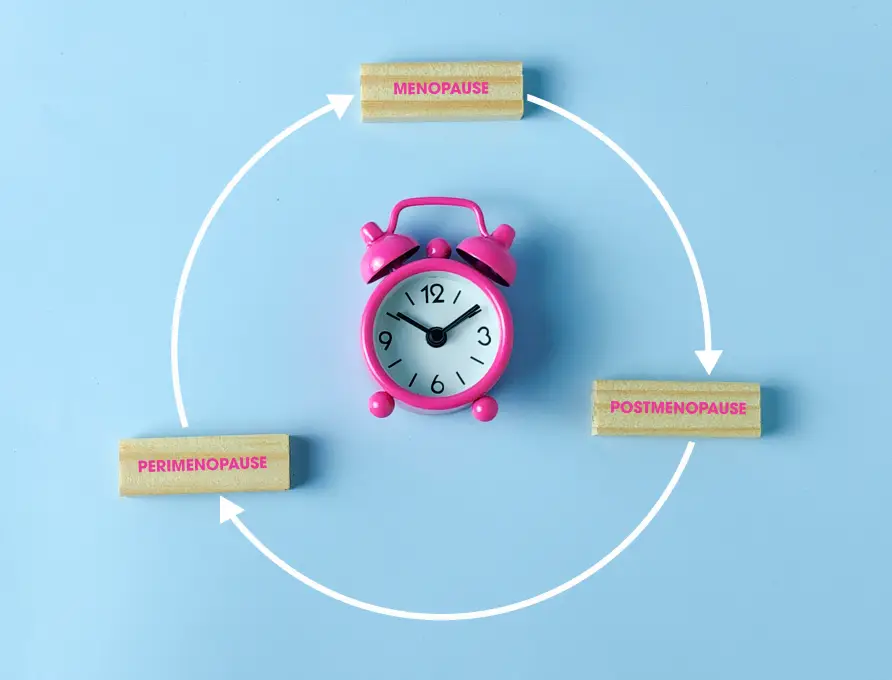
We recognize the unique challenges of navigating postpartum recovery and perimenopause after age 35 or 40. Our individualized approach focuses on understanding your symptoms, evaluating potential hormonal changes, and exploring safe, effective treatment options for postpartum and perimenopausal symptoms, including considerations for women who are breastfeeding. You don’t have to assume that persistent exhaustion, mood changes, or hormonal symptoms are simply part of motherhood or aging — understanding the cause is the first step toward feeling like yourself again.
As more women have children later in life, a confusing and under-discussed overlap has become increasingly common: being in the postpartum period or still breastfeeding at the same time perimenopause begins. In 2023, births to women over 40 exceeded teen births in the United States for the first time on record — a shift that’s bringing many more women into exactly this overlap.
Why the symptoms are so hard to tell apart. Postpartum recovery and early motherhood produce a remarkably similar symptom list to perimenopause: poor sleep, anxiety, mood swings, brain fog, weight changes, irregular or absent periods, and even hot flashes. Both phases also involve major hormonal shifts, which is precisely why it’s so difficult — for patients and clinicians alike — to tell where one set of changes ends and the other begins.
Breastfeeding adds another layer of complexity. Nursing suppresses ovulation and estrogen production, a state known as lactational amenorrhea, which creates what one OB-GYN has described as a “pseudomenopausal state” — low estrogen that can itself produce vaginal dryness, low libido, hot flashes, and night sweats, entirely independent of perimenopause. This means a breastfeeding woman in her late 30s or 40s can experience a menopause-like symptom picture purely from nursing, making it genuinely difficult to know whether perimenopause has also begun underneath it. Missed or irregular periods during this time compound the confusion, since both lactational amenorrhea and early perimenopause can independently cause the same pattern.
A key distinguishing feature, over time. The postpartum period is, by nature, temporary — hormones are working their way back toward pre-pregnancy baseline, a process that typically unfolds over the months after birth and continues through weaning if breastfeeding. Perimenopause does not resolve the same way; it’s a one-directional transition toward menopause. This means the clearest signal often isn’t any single symptom, but how things evolve over time: postpartum-related changes generally improve as hormones recalibrate and nursing decreases, while perimenopausal changes tend to persist or progress once breastfeeding-related effects have had time to resolve.
Because postpartum depression and anxiety are (rightly) a major focus of postpartum care, new or persistent mood and energy symptoms in this window are often attributed there by default — sometimes missing a concurrent perimenopausal process underneath. Women who don’t fit the expected timeline for postpartum recovery, or whose symptoms don’t improve with standard postpartum support, may benefit from a broader hormonal evaluation rather than an assumption that everything will resolve with time alone.
A note on treatment timing. Hormone therapy is generally not advised in the first couple of months postpartum, while the body’s hormones are still recalibrating on their own, and it requires special consideration during breastfeeding specifically, since systemic hormone therapy can reduce milk supply and does pass into breast milk to some degree. This doesn’t mean perimenopausal symptoms during this window can’t be addressed — but it does mean the conversation and the options available differ from a non-breastfeeding evaluation, which is exactly why this overlap deserves to be raised directly with a provider rather than navigated alone.
If postpartum symptoms are lasting longer than expected, feel disproportionate to what’s typical, or simply don’t fit the pattern of recovery being described to you, it’s worth asking directly whether perimenopause could be part of the picture — particularly for women who had children in their late 30s or 40s. This is a genuinely confusing overlap even for experienced clinicians, and getting clarity on which process (or both) is driving symptoms is often the first step toward real relief.