
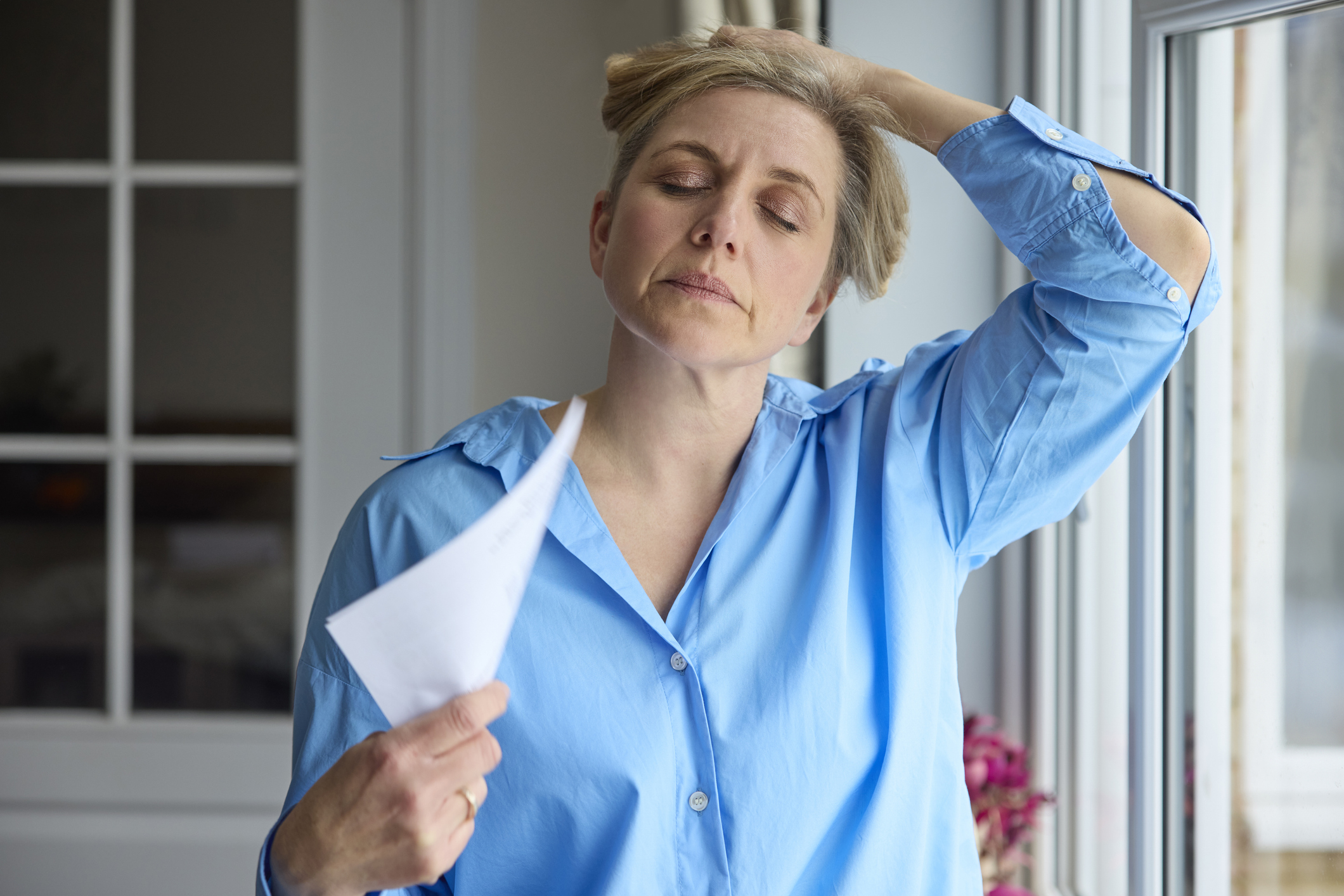
Many women use the terms perimenopause and menopause interchangeably, but they are actually two different phases of the hormonal transition women experience in midlife.
Understanding the difference can help explain symptoms like irregular periods, brain fog, low libido, poor sleep, anxiety, hot flashes, and unexpected weight changes that often seem to appear “out of nowhere.”
At Maze Women’s Health, one of the most common things we hear from patients is:
“I just don’t feel like myself anymore.”
The good news? There’s usually a reason why.
What Is Perimenopause?
Perimenopause is the transitional stage leading up to menopause. During this time, hormone levels, especially estrogen and progesterone, begin fluctuating, which can cause both physical and emotional symptoms.
Perimenopause can begin as early as a woman’s late 30s or early 40s and often lasts several years. In fact, many women are surprised to learn that this phase can last anywhere from 4 to 10 years.
One of the biggest signs of perimenopause is a change in your menstrual cycle.
You may notice:
- Irregular periods
- Heavier or lighter bleeding
- Mood changes
- Sleep disruption
- Hot flashes or night sweats
- Brain fog
- Anxiety or irritability
- Vaginal dryness
- Changes in libido
- Weight fluctuations
Symptoms can vary dramatically from woman to woman, which is one reason so many women feel confused during this stage.
What Is Menopause?
Menopause is technically just one point in time:
when a woman has gone 12 consecutive months without a menstrual period.
After that point, a woman is considered postmenopausal.
While many symptoms of perimenopause can continue into menopause, hormone fluctuations typically begin stabilizing after the transition is complete.
The average age of menopause in the United States is around 51, although timing varies from person to person.
Why So Many Women Feel Misdiagnosed
One reason perimenopause is often overlooked is because many symptoms don’t initially seem hormone related.
Women may experience:
- Fatigue
- Anxiety
- Trouble concentrating
- Sleep issues
- Low sex drive
- Weight gain
- Mood swings
…and assume they are simply stressed, aging poorly, or “burned out.”
In reality, fluctuating hormones can affect everything from sleep and metabolism to mood, cardiovascular health, and sexual wellness. Recent research even suggests important changes in heart health may begin during perimenopause, earlier than many women realize.
You Don’t Have to “Just Deal With It”
Many women have been told that symptoms of perimenopause and menopause are something they simply have to tolerate.
They don’t.
At Maze Women’s Health, we take a personalized approach to women’s sexual health, hormone health, and menopause care. Whether symptoms involve sleep, libido, painful sex, mood changes, or overall wellness, understanding what’s happening hormonally is often the first step toward feeling better.
Because feeling exhausted, disconnected, uncomfortable, or unlike yourself should not be dismissed as “just getting older.”
The Bottom Line
Perimenopause is the transition leading up to menopause.
Menopause is officially reached after 12 months without a period.
But both stages can significantly impact how women feel physically, mentally, and emotionally.
The most important thing to know:
you are not imagining your symptoms, and you are not alone.