
Perimenopause Symptoms & Treatment
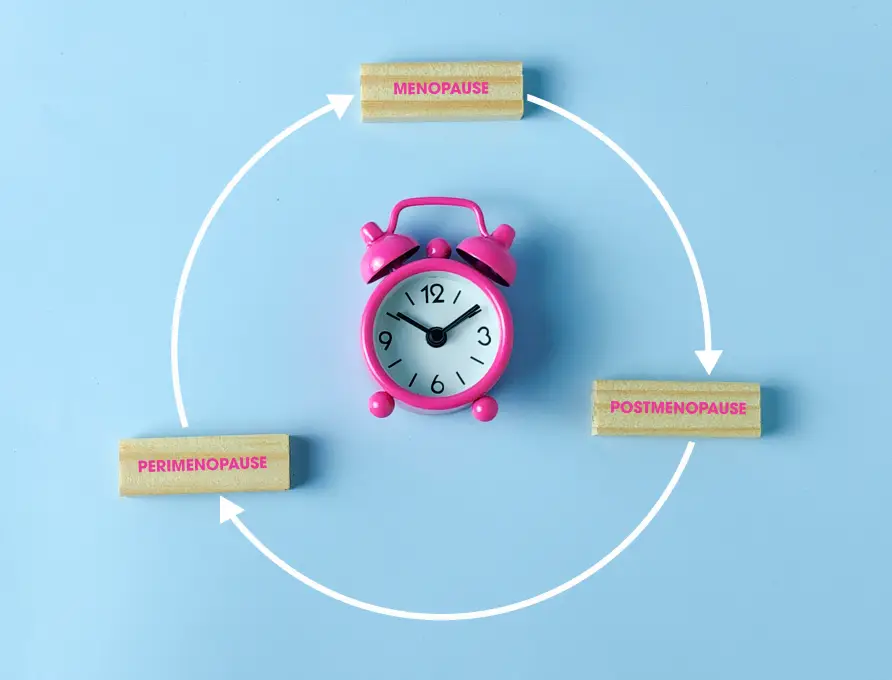
Perimenopause symptoms can affect nearly every aspect of a woman’s health, and no two women experience them the same way. From irregular periods, heavy menstrual bleeding, hot flashes, and night sweats to brain fog, memory changes, mood swings, anxiety, depression, fatigue, and sleep disturbances, fluctuating estrogen and progesterone levels can trigger a wide range of physical, mental, and emotional changes. These symptoms can begin years before menopause and may change in frequency and severity over time.
At Maze Women’s Health, we take a comprehensive, individualized approach to perimenopause diagnosis, symptom relief, and treatment, addressing your unique concerns through evidence-based options including menopausal hormone therapy (HRT/MHT), non-hormonal medications, and lifestyle modifications. Whether you’re struggling with disrupted sleep, unpredictable menstrual cycles, persistent hot flashes, or changes in your mood, our goal is to help you understand what’s happening in your body, explore effective perimenopause treatment options, and regain control of your health and quality of life.
Symptoms vary a great deal from woman to woman in terms of the order they appear, how strong they are, and in fact which ones appear at all!
Our approach is to manage the individual symptoms as they arise, though some modalities of treatment will help manage multiple symptoms. For each symptom, ultimately a multimodality approach may be most useful.
Irregular Periods
Your cycles may become shorter, longer, lighter, or heavier as ovulation becomes less predictable — some months you may ovulate and have a fairly typical cycle, and others you may not ovulate at all, which changes the timing and flow of bleeding. Periods may also start to skip entirely for a stretch before returning. Bleeding that is very heavy, lasts longer than about a week, or occurs between periods should be evaluated rather than assumed to be a perimenopausal change.
Treatment Options
Low-Dose Combined Oral Hormonal Birth Control
Contrary to popular belief, birth control is not a “band-aid,” it is actual medical treatment and a first-line option for treating bleeding and other symptoms in perimenopause. A daily pill, patch, or ring containing estrogen and progestin that overrides the ovaries’ own erratic signaling, producing predictable, typically lighter withdrawal bleeding. It also provides reliable contraception, which still matters in perimenopause since ovulation — and pregnancy — can still occur unpredictably. (Women who are over 35 and smoke cigarettes or have had a blood clot are usually not candidates for this treatment.)
For many perimenopausal women, low-dose Combined Oral Contraceptives (COCs) offer a dual benefit: reliable contraception (fertility declines but doesn’t disappear until menopause is confirmed) alongside relief from irregular bleeding, hot flashes, and mood symptoms tied to erratic hormone fluctuation. It’s worth noting that using COCs specifically to manage perimenopausal symptoms is generally an extension of their established indications (contraception, cycle regulation) rather than a distinct FDA-approved indication — so this is a discussion to have directly with your provider about the evidence and your individual risk profile.
Findings on Combined Oral Contraceptive use in the perimenopausal population come from a mix of randomized trials and larger observational studies, and it’s worth being clear about which is which:
- A placebo-controlled randomized trial found that a low-dose COC containing norgestimate did not cause weight gain — directly countering a common concern that keeps some women from considering this option.
- A meta-analysis of 13 studies examining low-dose COC use and bone mineral density found 9 studies showed a positive effect and 4 showed no association — notably, none showed a decrease in bone density with COC use.
- A Swedish case-control study (observational, not an RCT) found that any COC use during a woman’s 40s was associated with a 30% lower risk of postmenopausal hip fracture compared with women who had never used one.
- A recent systematic review and network meta-analysis of 18 RCTs compared four progestins used in COCs — gestodene (not available in the US), desogestrel, drospirenone, and levonorgestrel — and found meaningful differences in bleeding control and contraceptive efficacy between them, which is useful for tailoring formulation choice to an individual patient.
- Importantly, the baseline risk of venous thromboembolism (VTE) associated with COC use rises with age regardless of formulation: a large Danish cohort study found VTE incidence in COC users increased from 8.7 per 10,000 woman-years in women aged 30–34 to 20.8 per 10,000 woman-years in women aged 45–49. This is the central safety consideration in prescribing COCs through the perimenopausal years, and why ongoing risk-factor screening (blood pressure, smoking status, migraine with aura, clotting history) matters more as a patient ages, not less.
For eligible, healthy, non-smoking perimenopausal women without cardiovascular risk factors, providers generally favor:
- Low ethinyl estradiol (EE) dose formulations (20 mcg or lower), often paired with a second- or third-generation progestin, to minimize estrogen-related VTE risk while the baseline age-related risk is already climbing.
- Nextstellis (estetrol/drospirenone), a newer combined pill using estetrol — a naturally occurring estrogen with a different receptor-selectivity profile than ethinyl estradiol — paired with drospirenone. Early studies suggest a more favorable effect on liver clotting-factor synthesis and thrombin generation than EE-containing pills, and pooled phase III trial data reported a VTE incidence of roughly 3.66 per 10,000 woman-years, compared with an estimated 5–10 per 10,000 woman-years for typical EE-containing COCs. This is a promising signal, but it’s based on open-label trial data and indirect comparisons rather than head-to-head randomized trials against other COCs — researchers agree that further RCT data is needed before it can be called definitively safer, and it carries the same contraindications as other combined hormonal contraceptives (including the boxed warning against use in smokers over 35).
The bottom line: Combined oral contraceptives are a reasonable, evidence-supported option for symptom control and contraception in appropriately screened perimenopausal women, but the choice of formulation — and whether COCs are appropriate at all versus a progestin-only or non-hormonal option — depends heavily on individual cardiovascular and clotting risk factors that shift with age. This is a conversation best had as part of a full evaluation, not a one-size-fits-all recommendation.
*If you have migraine with aura you may have been told not to take birth control containing estrogen- however, newer research published in Obstetrics & Gynecology in 2026 found that the overall risk of stroke was low and showed no statistically significant difference between estrogen-containing combined pills and progestogen-only (minipill) options for those with aura. If you have migraine with aura, it is worth discussing your individual risk with your clinician.
Cyclic Progesterone Therapy
For perimenopausal patients on estrogen therapy who still have a uterus, a progestogen is required to protect the endometrium from the effects of unopposed estrogen, which can otherwise increase the risk of endometrial hyperplasia which is a risk factor for uterine cancer. In perimenopause specifically, a cyclic (sequential) regimen — rather than continuous daily dosing — is generally preferred while a woman is still having some natural menstrual activity, since continuous regimens in this population tend to cause unpredictable breakthrough bleeding.
Progestogen (either oral micronized progesterone or a progestin) is taken for 12 to 14 days of each calendar month, then stopped — triggering a predictable withdrawal bleed, similar to a period. This mimics the natural rhythm of the menstrual cycle more closely than continuous dosing.
Standard formulations and dosing:
- Oral micronized progesterone (e.g., Prometrium): 200 mg once daily for 12 to 14 days per month, taken at bedtime due to its mild sedative effect. This is the most commonly recommended cyclic dose and is supported by British Menopause Society guidance; the dose can be increased to 300 mg for 12 days per month if bleeding control needs adjusting. Micronized progesterone is generally favored over synthetic progestins because it’s structurally identical to the progesterone the body naturally produces and tends to carry a more favorable side-effect and safety profile.This may not be the best option for women who have fibroids and/or heavy bleeding.
- Medroxyprogesterone acetate (e.g., Provera): 5 to 10 mg once daily for 12 to 14 days per month in a cyclic regimen (versus 2.5 mg daily continuously in a non-cyclic regimen).
- Norethindrone acetate (e.g., Aygestin): typically 5 mg daily; used less often in a strictly cyclic pattern than the two options above and more commonly seen in continuous or combination formulations.
What the evidence shows:
- A systematic review of 40 studies confirmed that oral micronized progesterone provides adequate endometrial protection when used at 200 mg/day for 12 to 14 days per month, for as long as five years of use.
- The landmark PEPI trial, a randomized controlled trial comparing several estrogen-progestogen regimens, found that unopposed estrogen substantially increased the risk of endometrial hyperplasia compared with placebo, while cyclic micronized progesterone (200 mg/day for 12 days/month) and cyclic medroxyprogesterone acetate (10 mg/day for 12 days/month) were equally effective at preventing that increased risk — meaning the two are considered interchangeable for endometrial protection at these doses.
- Longer-term follow-up data from the KEEPS Continuation Study (published in 2024) re-evaluated women roughly a decade after using cyclic oral micronized progesterone (200 mg for 12 days/month) as part of hormone therapy and found no evidence of cognitive harm associated with that regimen.
- It’s worth noting that a Canada-wide randomized, placebo-controlled trial testing a higher, continuous dose of oral micronized progesterone (300 mg nightly, not the cyclic 12–14 day protocol) specifically for perimenopausal hot flashes and night sweats did not find a significant difference compared with placebo — a reminder that progestogen dosing serves different purposes (endometrial protection versus direct symptom relief), and the evidence for each use should be considered separately when designing a regimen.
Because cyclic progestogens reliably produce a withdrawal bleed, some patients find this bothersome, while others prefer it as a familiar marker of their cycle during a transition that otherwise feels unpredictable. This — along with mood or sedation sensitivity to a given progestogen — is part of what makes formulation and schedule an individualized decision rather than a one-size-fits-all default.
Hormonal Intrauterine System
For many perimenopausal women, irregular and unpredictably heavy bleeding — not hot flashes — is the most disruptive symptom. The levonorgestrel-releasing intrauterine system (LNG-IUS) is one of the most effective tools available for this specific problem, and it offers several other benefits that make it especially well suited to the perimenopausal years. This is an excellent option for erratic perimenopausal bleeding; however, many women avoid it due to fear or prior experience of pain with insertion. It is essential to find a clinician who will validate these fears and offer pain management for the insertion, such as prescription medications, a paracervical nerve block, numbing gel, and/or nitrous oxide.
The 52 mg LNG-IUS (marketed as Mirena and Liletta in the United States) releases levonorgestrel directly into the uterine cavity, starting at about 20 mcg per day and gradually declining to less than half that by five years. Because the hormone acts locally rather than systemically, blood levels stay far lower than with an oral progestin. Locally, levonorgestrel thins the endometrial lining (a process called stromal pseudodecidualization), reduces the density of blood vessels in the uterine lining, and suppresses endometrial growth — all of which sharply reduce monthly blood loss.
The LNG-IUS has been available in the United States since 2000 for contraception, and Mirena specifically received FDA approval for the treatment of heavy menstrual bleeding in 2009, for women who choose intrauterine contraception as their birth control method. It’s approved for up to 8 years of contraceptive use, and specifically for up to 5 years of heavy-bleeding treatment.
Efficacy — what the trials show.
- In FDA trial data supporting approval, the LNG-IUS reduced blood loss by roughly 90% over 6 months compared with baseline in women with heavy menstrual bleeding, with about 80% of users meeting the trial’s definition of treatment success.
- A landmark randomized trial (the ECLIPSE trial, published in the New England Journal of Medicine in 2013) compared the LNG-IUS against usual medical therapy (tranexamic acid, mefenamic acid, combined hormonal contraceptives, or progesterone alone) in 571 women with heavy bleeding. Quality-of-life scores improved significantly more with the LNG-IUS than with usual treatment, across nearly every measured domain, and by two years 64% of women were still using the IUD compared with only 38% still on their assigned medical therapy — a strong real-world signal of how well it’s tolerated relative to daily pills.
- Rates of surgical intervention (hysterectomy or endometrial ablation) were similar between groups, suggesting the LNG-IUS is at least as effective as conventional medical therapy at helping women avoid surgery for heavy bleeding.
- Many users progress to significantly lighter periods or no periods at all with continued use, though the timeline and likelihood vary by individual.
Side effects and practical considerations.
- Irregular spotting is common in the first 3 to 6 months after placement and typically settles into lighter, more predictable bleeding (or no bleeding) with continued use — this initial unpredictability is one of the most common reasons for early discontinuation, so setting expectations in advance matters.
- Insertion itself can cause cramping and discomfort; this is usually brief but can be more pronounced in women who haven’t had a vaginal delivery.
- Ovarian cysts are seen in a small percentage of users, most of which resolve without treatment.
- Expulsion (the device coming out on its own) and, rarely, uterine perforation at the time of insertion are recognized risks. In rare cases the device may become embedded within the muscle of the uterus and need to be removed surgically.
- Because the hormone acts locally, systemic progestin side effects (mood changes, bloating, breast tenderness) are generally milder and less common than with oral progestins, though not entirely absent for all users.
A dual-purpose option in perimenopause. Beyond treating bleeding, the LNG-IUS offers two additional advantages specific to this life stage:
- Contraception. It’s one of the most effective reversible contraceptive methods available, which matters since perimenopausal women remain able to conceive until menopause is confirmed.
- Endometrial protection during hormone therapy. For women using systemic estrogen who still have a uterus, the LNG-IUS can serve as the progestogen component of hormone therapy, protecting the endometrium from unopposed estrogen while simultaneously controlling bleeding and providing contraception — a combination that can simplify a perimenopausal treatment plan considerably. This use is well established in clinical practice, though it’s worth noting formally that FDA-approved labeling for this specific use continues to evolve, and many clinicians use it as endometrial protection within a defined re-evaluation window (commonly cited around 4 to 5 years) rather than the full contraceptive approval period.
The LNG-IUS is often especially appealing for perimenopausal women who want to address heavy or unpredictable bleeding, still need contraception, may eventually want hormone therapy for other symptoms, and prefer not to take a daily pill. It’s not the right choice for women with certain uterine abnormalities, active pelvic infection, or specific contraindications to intrauterine devices, which is part of what a clinical evaluation is for.
Hot Flashes and Night Sweats
Treatment Options
Hormone Therapy
Estrogen Formulations
Transdermal Estradiol (patch, gel, spray).
Estradiol absorbed through the skin bypasses first-pass metabolism in the liver. Patches typically come in doses of 0.025, 0.0375, 0.05, 0.075, and 0.1 mcg/day and are changed once or twice weekly depending on the product; gels and sprays are applied daily to the arm, shoulder, or thigh. Gels and sprays are usually dosed daily and offer more dosing flexibility. They are useful for women who react to patch adhesive. Transdermal delivery is often preferred for women with migraine, high blood pressure, elevated cardiovascular or clotting risk, or a BMI over 30.
(One very low-dose estradiol patch (Menostar, 0.014 mcg/day) is approved specifically for osteoporosis prevention rather than for treating hot flashes, which is worth knowing when bone health is the main goal. However, it is not effective in treating hot flashes and night sweats.)
Oral Estradiol
Tablets in 0.5 mg, 1 mg, and 2 mg strengths, taken daily. This option is inexpensive, familiar to most prescribers, and widely covered by insurance, and it’s highly effective for hot flashes and night sweats.
Oral Conjugated Equine estrogens (e.g., Premarin). An older class derived from pregnant horse urine, typically dosed at 0.3 to 0.625 mg daily. Still used but less commonly prescribed today, in part because it carries a higher clotting signal than oral estradiol.
Systemic vaginal ring. One vaginal estradiol ring releases enough hormone into the bloodstream to treat hot flashes and is changed approximately every three months. It differs from *low-dose local* vaginal rings, which target vaginal symptoms and do not treat hot flashes. If you have a uterus, a systemic ring still requires an appropriate uterine-lining protection plan.
Vaginal (local) estrogen. Low-dose estradiol tablets, creams, and rings act on vulvovaginal and urinary tissue with minimal systemic absorption. The Menopause Society guidance recommends them for genitourinary symptoms not relieved by other therapies; a typical schedule is a daily starter phase for two weeks followed by maintenance dosing 2-3 times per week. Because they don’t treat hot flashes or protect bone, they’re used when local symptoms are the primary concern or alongside systemic therapy.
Some products pair estradiol with a progestogen or similar anti-estrogenic medication in a single daily dose (for example, a capsule containing 1 mg or 0.5 mg estradiol with 100 mg micronized progesterone, taken in the evening with food). Because they deliver a fixed continuous dose of progestogen, they’re generally better suited to later in the transition, when periods have stopped, than to women who are still cycling.
Oral Bioidentical Estradiol and Progesterone Combination: Bijuva
- The first and, to date, only FDA-approved hormone therapy combining bioidentical 17β-estradiol with bioidentical micronized progesterone in a single daily oral capsule. “Bioidentical” here means both hormones are molecularly identical to what the ovaries naturally produce, rather than a synthetic progestin.
- FDA approval. Approved in October 2018, based on the pivotal Phase 3 REPLENISH trial.
- Dose. Two strengths are available: 0.5 mg estradiol/100 mg progesterone and 1 mg estradiol/100 mg progesterone, taken once daily in the evening with food (food increases progesterone absorption, which is why it’s taken with a meal). As with other hormone therapy, the general approach is to start with the lowest dose that controls symptoms, typically re-evaluated every 3 to 6 months.
- Efficacy. In the REPLENISH trial (726 postmenopausal women, mean age 54.6, with at least 50 moderate-to-severe hot flashes per week at baseline), both doses produced a statistically significant reduction in hot flash frequency and severity by weeks 4 and 12 compared with placebo, with a clinically meaningful reduction — at least 14 fewer moderate-to-severe episodes per week than placebo — sustained through week 12.
- Endometrial safety. Endometrial hyperplasia occurred in 1% or less of women taking Bijuva over 12 months, consistent with the background rate expected in a general postmenopausal population — the core evidence supporting that the progesterone dose adequately protects the uterine lining.
- Bleeding patterns. At 52 weeks, 67.6% of women on the 0.5 mg/100 mg dose and 56.1% on the 1 mg/100 mg dose had no bleeding at all (cumulative amenorrhea), compared with 78.9% on placebo — meaning some breakthrough bleeding is more common on active treatment than on placebo.
- Side effects. The most common are breast tenderness, headache, and pelvic pain; vaginal bleeding or spotting should be reported to a provider, as with any hormone therapy.
- Like all systemic estrogen products, Bijuva carries the standard boxed warning for endometrial cancer, cardiovascular disease, and dementia risk in the appropriate populations, and it hasn’t been studied for dementia prevention.
Oral Conjugated Estrogen and SERM: Duavee
What Is It?
Duavee is a “tissue-selective estrogen complex” (TSEC) — the first and only FDA-approved product of its kind — that pairs conjugated estrogens with bazedoxifene, a selective estrogen receptor modulator (SERM), instead of a traditional progestin. Bazedoxifene blocks estrogen’s stimulating effect on the uterine lining and breast tissue while still allowing estrogen to relieve hot flashes and support bone density elsewhere in the body — the idea being endometrial and breast protection without the side effects some women experience from progesterone or other progestins (bloating, mood changes, breast tenderness).
- FDA approval. Approved in October 2013, for moderate-to-severe hot flashes and for the prevention of postmenopausal osteoporosis.
- Dose. One tablet daily, containing 0.45 mg conjugated estrogens and 20 mg bazedoxifene, taken without regard to meals.
- Efficacy. Evaluated across five Phase 3 SMART (Selective estrogens, Menopause, And Response to Therapy) trials in postmenopausal women with a uterus, Duavee relieved hot flashes and vaginal atrophy and increased bone mineral density — including a measured increase in hip bone density at 12 months compared with non-users — while showing low rates of breast pain and high rates of amenorrhea in trial participants.
- Cardiovascular safety data. A pooled meta-analysis of the SMART trials (over 6,000 women, up to 2 years of follow-up) found an increased rate of venous thromboembolism across CE/bazedoxifene doses — 0.3 to 0.7 events per 1,000 woman-years depending on dose — though as with any estrogen-containing product, VTE risk is not eliminated, and standard estrogen contraindications and precautions still apply.
- Side effects. The most common (occurring in 5% or more of users) were muscle spasms, nausea, diarrhea, upset stomach, upper abdominal pain, throat pain, dizziness, and neck pain.
- Important restriction. Because bazedoxifene already provides uterine protection, patients should not take Duavee together with a progestin, an additional estrogen, or another SERM — doing so can increase the risk of side effects rather than adding benefit.
- Contraindicated in women who cannot take estrogen for standard reasons, and in pregnancy. Concomitant use of strong CYP3A4 inhibitors (such as itraconazole) increases exposure to both components and should be reviewed with a prescriber.
How Do Bijuva and Duavee Compare?
Both products solve the endometrial-protection problem without asking a patient to take a separate progestogen pill, but they do it in fundamentally different ways: Bijuva uses a bioidentical progesterone dose formulated into the same capsule, while Duavee substitutes a SERM for any progestin at all. This distinction matters most for women who’ve had side effects from progestins in the past — Duavee may be worth considering for exactly that reason — while Bijuva may appeal to women who specifically want a bioidentical hormone regimen. Neither has been directly compared with the other in a head-to-head trial, so the choice, again, comes down to individual history and priorities.
Off Label Use of Estradiol Patch with Oral Contraceptive (Slynd)
- Drospirenone at doses of 3 mg/day or higher has been studied as adequate for endometrial protection against unopposed estrogen, and Slynd’s 4 mg dose exceeds that threshold.
- Because drospirenone has anti-mineralocorticoid (anti-bloating) and anti-androgenic properties, some women tolerate it better than older synthetic progestins, with less breast tenderness, bloating, or acne.
- Unlike norethindrone-based progestin-only pills, which require a strict same-time, narrow dosing window (as tight as 3 hours) to remain effective, Slynd allows up to a 24-hour window for a missed or delayed dose — a meaningful practical advantage for women juggling unpredictable schedules.
- For women still cycling and needing contraception, this combination can address symptom relief, endometrial protection, and pregnancy prevention in one regimen — similar in spirit to a low-dose combined birth control pill, but without adding a second source of estrogen on top of the patch.
Important caveats.
Because this is an off-label use, it should be undertaken only with a provider experienced in this approach, with a clear conversation about that off-label status. New or abnormal bleeding should always be evaluated before starting this or any hormonal regimen — masking an unevaluated bleeding pattern with hormonal treatment can delay diagnosis of underlying endometrial (uterine lining) pathology. Drospirenone can also raise potassium levels, so it’s generally avoided in women with kidney, liver, or adrenal conditions that predispose to increased blood potassium levels, or in those taking medications that also raise potassium (such as certain blood pressure medications).
Approximate dose ranges
| Formulation | Lower dose | Common starting/standard dose | Higher dose |
|---|---|---|---|
| Oral estradiol | 0.5 mg daily | 1 mg daily | 2 mg daily (3–4 mg only in select circumstances, such as early ovarian insufficiency or surgical menopause) |
| Estradiol patch | 25 mcg/day | 50 mcg/day | 75–100 mcg/day |
| Estradiol gel (0.06%, 0.75 mg per pump) | 1 pump daily | 1–2 pumps daily | 2–4 pumps daily |
| Oral conjugated estrogens | 0.3 mg daily | 0.625 mg daily | 1.25 mg daily |
These are approximate equivalents drawn from published consensus tables; the labels “low,” “standard,” and “high” vary somewhat between organizations, and dosing is always individualized. Guidance is to start with the lowest effective dose and increase gradually — no sooner than every three months — if symptoms aren’t controlled.
Why the route matters: clotting risk
The route of estrogen delivery is one of the most consistent findings in the safety literature:
- A narrative review of the evidence concluded that transdermal estradiol carries the lowest clotting risk, oral estradiol a lower risk than conjugated equine estrogens, and ethinyl estradiol (used in combined contraceptive pills) the highest.
- A Canadian health technology rapid review of the comparative evidence found transdermal estrogen was associated with lower venous thromboembolism (VTE) risk than oral estrogen across studies — including a 56% risk reduction in one large cohort, and in a US case-control study, nearly double the VTE odds for oral estrogen (OR 1.90) and oral estrogen combined with a progestogen (OR 1.92) compared with transdermal routes. One retrospective cohort in the review found no significant difference between routes, so the picture is consistent in direction but not unanimous.
- A large registry-based analysis reported in September 2026 found oral hormone therapy was associated with higher VTE risk than no therapy (HR 1.6), with higher-dose oral estradiol (over 1 mg/day) carrying more risk than 1 mg or less. Oral therapy was also associated with a higher risk of heart attack, while transdermal therapy was not associated with increased risk of VTE, ischemic stroke, or heart attack. Notably, women who started oral therapy before age 50 had the highest risk of ischemic stroke and heart attack compared with non-users — a finding that makes route selection especially relevant for women starting therapy in perimenopause. As an observational study, it shows association rather than proof of causation.
Practical considerations specific to perimenopause
- Endometrial protection. Women with a uterus need a progestogen alongside systemic estrogen. In perimenopause, a cyclic regimen (continuous estrogen plus 12–14 days of progestogen per month) is often preferred because continuous regimens can cause unpredictable bleeding in women who are still menstruating. Alternatives include a 52 mg levonorgestrel intrauterine system or, later in the transition, a continuous daily progestogen. Women without a uterus can use estrogen alone; the FDA has retained its endometrial cancer warning for systemic estrogen-alone products.
- Contraception. The doses used in menopausal hormone therapy are not intended to serve as contraception, so a separate method is still needed until menopause is confirmed. A levonorgestrel IUD can serve as both contraception and endometrial protection alongside estrogen, and low-dose birth control pills are another option for eligible women.
- Symptoms can shift. Because hormone levels fluctuate during perimenopause, the dose that works in one season of the transition may need adjusting later, which is one reason follow-up visits matter.
Non-Hormonal Options: Neurokinin (NK) Receptor Antagonists — Veozah and Lynkuet
For women who can’t take estrogen, don’t want to, or haven’t gotten enough relief from other approaches, a newer class of non-hormonal medications treats hot flashes and night sweats by acting directly on the brain’s temperature-control center. The two that are FDA-approved are : fezolinetant (Veozah) and elinzanetant (Lynkuet).
How they work. Neurons in part of your brain (the hypothalamus) known as KNDy neurons help regulate body temperature. Estrogen normally restrains a signaling molecule called neurokinin B; as estrogen falls, that signal becomes overactive, and the thermoregulatory center misfires — producing hot flashes and night sweats. Neurokinin (NK) receptor antagonists block neurokinin B’s action at its receptors, restoring your brain’s temperature balance without adding any hormone.
Fezolinetant (Veozah)
- What it is and how long it’s been used. A selective NK3 receptor antagonist and the first drug in this class, approved by the FDA in May 2023 — so it has the longer real-world track record of the two.
- Dose. 45 mg once daily.
- Efficacy. In the pooled phase 3 SKYLIGHT 1 and 2 trials (1,022 postmenopausal women aged 40–65), fezolinetant 45 mg reduced hot flash frequency by about 2.5 more episodes per day than placebo at week 12. In SKYLIGHT 2, daily moderate-to-severe hot flashes fell from roughly 11.8 to 4.5 per day (about a 64% reduction) on the 45 mg dose, versus about a 45% reduction on placebo — a reminder that placebo response in hot flash trials is substantial. Benefits appeared as early as the first week and were maintained through 52 weeks, and quality-of-life and work-productivity measures improved as well.
- Side effects. In trials, adverse event rates were similar to placebo overall. Reported effects include abdominal pain, diarrhea, insomnia, back pain, and hot flashes, along with elevated liver enzymes in roughly 1–2% of participants in the long-term safety study.
- Liver safety. In December 2024 the FDA added a boxed warning for liver injury after a postmarketing report of a patient with elevated liver tests and symptoms of liver injury. The current hepatic monitoring schedule requires baseline testing before initiation and follow-up testing monthly for the first 3 months, then at 6 months and at 9 months after starting therapy. Patients should report nausea, vomiting, or yellowing of the skin or eyes right away.
- Who shouldn’t take it. People with cirrhosis or severe kidney disease, and people taking CYP1A2-inhibiting medications.
Elinzanetant (Lynkuet)
- What it is and how long it’s been used. A dual NK1 and NK3 receptor antagonist, approved by the FDA in 2025 — the second NK antagonist to reach the U.S. market, with a shorter clinical history than fezolinetant.
- Dose. 120 mg once daily (taken as two 60 mg capsules).
- Efficacy. In the phase 3 OASIS 1 and 2 trials (about 800 postmenopausal women aged 40–65), elinzanetant reduced hot flash frequency by 65.2% and 67.0% at week 12, compared with 42.2% and 45.9% on placebo; placebo-adjusted differences were about 3 fewer episodes per day at week 12 in both trials. Over 80% of participants reached at least a 50% reduction by week 26, and both sleep disturbance and menopause-specific quality of life improved significantly. In the longer OASIS 3 study, average daily episodes at week 50 were 1.4 on elinzanetant versus 3.5 on placebo.
- Side effects. The most common are headache, fatigue, somnolence, and nasopharyngitis. Headache and fatigue were the most common reasons for stopping, and one summary reports discontinuation was higher with elinzanetant than with placebo (roughly 12.5% due to side effects).
- Liver safety. Liver enzyme elevations were infrequent and mostly mild, and it hasn’t been linked to clinically apparent liver injury with jaundice. Monitoring is lighter: liver tests at baseline, at three months, and if symptoms suggest liver injury.
- Breast cancer. Elinzanetant has phase 3 data (OASIS 4) in women taking endocrine therapy for breast cancer, and one recent review reports its approval extends to hot flashes induced by that therapy. Fezolinetant is not approved for that use.
At a glance
| Fezolinetant (Veozah) | Elinzanetant (Lynkuet) | |
|---|---|---|
| Target | NK3 receptor | NK1 and NK3 receptors |
| FDA approval | May 2023 | 2025 |
| Dose | 45 mg daily | 120 mg daily |
| Approx. hot flash reduction at week 12 | ~64% (45 mg, SKYLIGHT 2) | ~65–67% (OASIS 1 and 2) |
| Common side effects | Abdominal pain, diarrhea, insomnia, back pain | Headache, fatigue, somnolence |
| Liver monitoring | Boxed warning (Dec. 2024); tests at baseline and during early treatment | Tests at baseline, 3 months, and if symptoms arise |
| Sleep data | Quality-of-life and productivity gains shown | Significant improvement in sleep disturbance |
Choosing Between Veozah and Lynkuet
- Elinzanetant may be favored when sleep disruption or night sweats are prominent (the dual mechanism showed sleep benefits in its trials), when liver-monitoring burden or liver risk is a concern, or for women with breast cancer on endocrine therapy, where it has dedicated phase 3 data.
- Fezolinetant may be favored when a medication with a longer time on the market matters, when daytime drowsiness or fatigue would be a problem, or when a patient has already responded well to it — provided liver function is normal and there are no interacting medications.
- Neither may be right for women with significant liver disease, and drug interactions should be reviewed for both.
Important limits in perimenopause
Antidepressants: SSRI’s and SNRI’s
Before NK receptor antagonists arrived, low-dose antidepressants were the main non-hormonal prescription option for hot flashes, and they remain a well-established, less expensive choice today — particularly for women who also have mood symptoms, or who need to avoid the estrogen-metabolism concerns that come up for some breast cancer survivors.
The exact mechanism isn’t fully understood, but the leading explanation involves serotonin and norepinephrine’s role in the same hypothalamic thermoregulatory center disrupted by declining estrogen. Estrogen normally helps keep the body’s “thermoneutral zone” — the narrow range of core temperature the brain tolerates without triggering a cooling response — reasonably wide. As estrogen falls, that zone narrows, and small temperature fluctuations trigger a hot flash. SSRIs and SNRIs increase serotonin (and, for SNRIs, also norepinephrine) availability in this region, which appears to help widen the thermoneutral zone back out, independent of any antidepressant effect — these medications can reduce hot flashes in women without depression, at doses often lower than those used to treat mood disorders.
Low-dose Paroxetine (Brisdelle)
- Dose. 7.5 mg once daily at bedtime — notably lower than the 10–25 mg used for depression, dosed specifically to treat vasomotor symptoms rather than mood.
- FDA status. Approved in June 2013, making it the first and, to date, only antidepressant medication specifically studied and FDA-approved for moderate-to-severe hot flashes. Regular-strength paroxetine (Paxil) is also used off-label at somewhat higher doses.
- Efficacy. In the two pivotal placebo-controlled trials (1,175 postmenopausal women with at least 7–8 hot flashes/day), Brisdelle reduced hot flashes compared with placebo over 12- and 24-week treatment periods. In an earlier dose-finding study, regular paroxetine reduced hot flash composite scores by 62% at 12.5 mg/day and 65% at 25 mg/day, against a 37.8% placebo response — and a separate analysis found paroxetine produced the greatest overall reduction in hot flashes among the SSRIs and SNRIs studied, at 40.6% (10 mg) and 51.7% (20 mg) versus placebo.
- Side effects. Headache, fatigue, and nausea were most common in trials; nausea was most frequent early in treatment. Exploratory analyses found no meaningful difference from placebo in weight change or sexual dysfunction at the low 7.5 mg dose — a notable point, since both are well-known concerns with SSRIs generally at higher, antidepressant doses.
- Important interaction. Paroxetine (and fluoxetine) strongly inhibit the liver enzyme CYP2D6, which is required to convert tamoxifen into its active form. This means paroxetine can blunt tamoxifen’s effectiveness in women being treated for breast cancer — a significant reason it’s typically avoided in tamoxifen users, in favor of an SNRI like venlafaxine or desvenlafaxine instead.
- Standard antidepressant warnings apply, including the boxed warning about increased suicidal thinking in children and young adults (a class warning for all antidepressants) and a caution about serotonin syndrome risk, particularly if combined with other serotonergic medications.
Venlafaxine
- Dose. Typically 37.5–150 mg/day (extended-release), usually started at 37.5 mg and titrated upward as needed.
- Efficacy. In a placebo-controlled trial of 229 women, venlafaxine reduced hot flash scores by 37% at 37.5 mg/day and 60% at 75–150 mg/day, compared with 27% on placebo. It’s also notable for a fast onset: one review found a 41% reduction within the first week of use (about a 26% improvement over placebo). A separate MsFLASH network trial found venlafaxine performed comparably to low-dose oral estradiol for reducing hot flashes over 8 weeks — a striking finding, given it’s a non-hormonal option.
- Side effects. Nausea, dry mouth, constipation, and somnolence are more frequent with venlafaxine than with SSRIs, and it was associated with more frequent adverse effects than clonidine in comparative studies. Because it also affects norepinephrine, it can raise blood pressure slightly at higher doses, which is worth monitoring.
- Why it’s often preferred in breast cancer. Unlike paroxetine and fluoxetine, venlafaxine has minimal effect on CYP2D6, so it doesn’t meaningfully interfere with tamoxifen metabolism — making it the preferred SSRI/SNRI-class option for women on tamoxifen who want relief from treatment-induced hot flashes.
Desvenlafaxine
- Dose. 100–150 mg/day, once daily.
- Efficacy. A meta-analysis of six randomized controlled trials found desvenlafaxine 100 mg reduced moderate-to-severe hot flash frequency significantly more than placebo at 12 weeks, with the effect strengthening by 26 weeks; the 150 mg dose showed a smaller effect size than 100 mg in the same analysis, suggesting more isn’t necessarily better. The same review found no evidence of increased cardiovascular, cerebrovascular, or liver risk at the 100 mg dose, and rated it both safe and effective for up to 12 months of use.
- Side effects. Nausea is the most common complaint, particularly when starting; insomnia occurs in roughly 9–12% of users, somewhat less often than with venlafaxine.
- Place in therapy. As venlafaxine’s active metabolite, desvenlafaxine shares its low interference with CYP2D6, making it another reasonable choice for women on tamoxifen, though it has less robust vasomotor-symptom data behind it than venlafaxine itself.
Escitalopram and Citalopram
- Dose. Escitalopram 10–20 mg/day; citalopram 10–20 mg/day.
- Efficacy. The Menopause Society guidance has identified both, alongside paroxetine, as producing the largest symptom reductions among SSRIs studied for vasomotor symptoms.
- Side effects. Generally similar SSRI profile — nausea, dizziness, and headache are most common — with citalopram carrying a dose-dependent QT-prolongation caution at higher doses that’s worth screening for in patients with cardiac risk factors.
Choosing between them
- SSRIs generally cause fewer initial side effects (particularly less nausea and dizziness) than SNRIs, making them a reasonable first non-hormonal option for many patients.
- Venlafaxine or desvenlafaxine are preferred over paroxetine and fluoxetine in women taking tamoxifen, because of the CYP2D6 interaction described above — this is one of the more clinically important decision points in this category.
- Venlafaxine’s rapid onset (partial relief within a week) can be appealing when quicker symptom control matters, though it comes with a somewhat higher side-effect burden.
- Low-dose paroxetine (Brisdelle) is the only agent in this class with a specific FDA approval for hot flashes; the others are used off-label for this indication, though with a substantial evidence base behind that use.
Plant-Based and Herbal Options
Phytoestrogens, plant compounds that weakly mimic estrogen, are another commonly tried route: soy isoflavones and red clover are the most researched, with modest and inconsistent results across studies.
Evening primrose oil is also popular but has little evidence behind it for hot flashes specifically.
These options are generally lower-risk than prescription medication, but “natural” doesn’t mean risk-free — some can interact with other medications or aren’t appropriate with certain health histories, so it’s worth reviewing any of these with your clinician before starting.
Lifestyle Strategies: What You Can Do Alongside Pharmacologic Treatment?
Bedroom Modifications
Because hot flashes are triggered by even small increases in core body temperature once estrogen narrows the body’s thermoregulatory comfort zone, the bedroom is often where symptoms are most disruptive — and most fixable:
- Keep the room cool, generally in the mid-60s to upper 60s (°F), rather than relying on adjusting covers once a flash starts.
- Layer bedding instead of using one heavy comforter, so it’s easy to shed a layer mid-sleep without fully waking up.
- Choose breathable, moisture-wicking sleepwear and sheets — cotton, linen, or performance fabrics designed to pull moisture away from skin — over synthetic materials that trap heat.
- Keep a fan or cooling device within reach of the bed for quick relief when a flash starts.
- Keep ice water or a cold pack on the nightstand, and consider a cooling pillow or mattress topper if night sweats are frequent.
- Avoid heavy meals close to bedtime, since digestion itself raises core temperature.
Foods and Personal Triggers
- Caffeine stimulates the nervous system and can lower the threshold for a flash, sometimes triggering one within minutes of drinking it — worth noting for the afternoon coffee or energy drink, not just morning ones.
- Alcohol dilates blood vessels, which can mimic and intensify the sensation of a hot flash; some survey data suggests roughly a quarter of women identify alcohol as a personal trigger, and effects can show up within hours, making an evening glass of wine a common culprit for night sweats specifically.
- Spicy foods containing capsaicin directly stimulate heat receptors and can provoke an almost immediate response in sensitive individuals.
- Hot beverages and soups raise core temperature directly; letting them cool slightly before eating or drinking, or switching a hot tea for an iced version, can help.
- Large or heavy meals, particularly in the evening, and blood sugar swings from skipped meals or high-sugar foods are also commonly reported triggers.
Because triggers are highly individual, the single most useful tool is often a simple symptom diary — logging what you ate or drank, the room temperature, your stress level, and when a flash occurred — kept for a couple of weeks. Patterns that feel invisible in the moment often become obvious on paper, and it lets you target the two or three triggers that actually matter for you rather than eliminating everything at once.
Slow-paced breathing
Slow, deep, diaphragmatic breathing — typically paced at around 6 breaths per minute, compared with a resting rate closer to 14–16 — is thought to work by calming sympathetic nervous system activity, the “fight or flight” arousal that appears to play a role in triggering and intensifying hot flashes. The idea is that by downshifting that arousal, paced breathing can blunt how intense a flash feels and potentially shorten how long it lasts once it starts.
Paced breathing is low-risk, free, and easy to practice, so it’s a reasonable tool to try — particularly to use in the moment a flash begins, since even the studies that didn’t show a clear frequency advantage often found the practice easy to adopt and pleasant to do. But it shouldn’t be presented as a proven way to shorten or reduce hot flashes on its own; the honest position is that it may help some women, especially as a calming, in-the-moment coping tool, while the evidence for a specific physiological effect on hot flash frequency or severity remains inconsistent across trials.
A commonly used protocol is 15 minutes of slow breathing at about 6 breaths per minute (roughly a 5-second inhale and 5-second exhale), done once or twice daily and, when possible, at the first sign of a flash.
Choosing Amongst Hot Flash Treatment Options
- Hormone therapy (estrogen, with a progestogen if the uterus is intact) remains the most effective treatment for vasomotor symptoms and offers added benefits for bone density and, when started within the recommended window, potentially cardiovascular and cognitive health. Route matters: transdermal delivery carries a lower clotting risk than oral estrogen.
- Low-dose combined birth control pills can address hot flashes, irregular bleeding, and the need for contraception in one option, making them well suited to women who are still cycling and need pregnancy prevention — provided they’re screened for cardiovascular and clotting risk factors that become more important with age.
- NK receptor antagonists (fezolinetant and elinzanetant) offer non-hormonal relief for women who can’t or don’t want to use hormones, cutting hot flash frequency by roughly two-thirds in trials. Fezolinetant has a longer track record and a boxed liver warning with closer monitoring; elinzanetant is newer, shows added sleep benefits, and asks for lighter liver follow-up. Neither replaces estrogen’s effects on bone, vaginal and urinary tissue, or contraception.
- SSRIs and SNRIs can be used off-label (low-dose paroxetine/Brisdelle is the single FDA-approved option) to improve hot flashes through their effects on the temperature-regulating area of the brain. Some doses may also improve mood symptoms.
- Lifestyle modifications such as sleeping in a cool room with breathable sheets and clothing, avoiding dietary triggers, and slow paced breathing may be effective adjuncts in managing hot flashes.
None of these options has been tested head-to-head against the others in a single trial, so the choice isn’t simply “which works best” — it’s which option’s benefits, risks, and side-effect profile fit a given patient’s health history, symptom pattern, and priorities. That match is exactly what an individualized evaluation is for. Also, sometimes multiple medications and strategies may be appropriate.
Sleep Disturbances
Trouble falling asleep, staying asleep, or waking too early is common during perimenopause. Night sweats are a frequent culprit, but sleep can also fragment independently of them, driven by hormonal shifts, anxiety, or changes in the body’s own sleep architecture.
Treatment Options
Treating the underlying hot flashes
CBT-I (Cognitive Behavioral Therapy for Insomnia)
Sleep hygiene and consistent scheduling
Low-dose hormone therapy or sleep-supportive medication
Sleep Apnea in Midlife: A Commonly Missed Diagnosis
Exhaustion, brain fog, and irritability are often chalked up to hot flashes and disrupted sleep in perimenopause — and often that’s exactly what’s happening. But for a meaningful number of women, an underlying and separate condition, obstructive sleep apnea (OSA), is also at play, and it’s frequently missed because its symptoms overlap so heavily with typical perimenopausal complaints.
Why risk rises in midlife. Estrogen and progesterone both appear to help keep the upper airway open during sleep — progesterone is thought to stimulate the muscles that maintain airway tone, and estrogen is believed to have a broader protective, anti-inflammatory effect on the airway. As both decline through perimenopause and menopause, that protection fades. The Menopause Society has reported that sleep apnea prevalence is roughly 4.5 times higher in postmenopausal women than in premenopausal women, and OSA is markedly less common in women overall before this transition — one clue that these hormones matter. Shifts in body fat distribution toward the neck and upper body during this life stage can compound the risk, even when overall body weight doesn’t change substantially. A retrospective study of women’s sleep studies found the average apnea-hypopnea index (AHI, the number of breathing disruptions per hour) rose steadily across perimenopausal age brackets — from about 5 events/hour in women aged 40–46 to about 12 events/hour in women aged 53–58.
Why it’s often missed. Women’s OSA doesn’t always look like the “classic” presentation more commonly described in men. Research on sex differences in OSA notes that women more often show milder disease dominated by shallow breathing events (hypopneas) rather than full pauses in breathing, are more likely to have apnea concentrated during REM sleep, and more often experience symptoms like fatigue, insomnia, morning headaches, and mood changes rather than loud snoring witnessed by a partner. Because this symptom pattern mirrors perimenopause itself so closely, it’s easy for both patients and clinicians to attribute everything to hormones and stop looking further.
Diagnosis. OSA cannot be diagnosed with a blood test or symptom checklist alone — it requires an objective measurement of breathing during sleep:
- In-lab polysomnography (PSG) remains the gold-standard test, involving an overnight stay in a sleep lab with monitoring of breathing, oxygen levels, brain activity, and other physiological signals.
- Home sleep apnea testing (HSAT) is a simpler, more convenient at-home alternative that measures breathing and oxygen levels overnight. It’s considered reliable for diagnosing moderate-to-severe OSA in appropriately selected patients, though it’s less comprehensive than in-lab testing and can miss milder or more complex cases — which matters given how often women present with the milder, hypopnea-predominant pattern described above.
- Screening questionnaires (such as the Berlin Questionnaire or Epworth Sleepiness Scale) can flag who might benefit from testing, but they’re not diagnostic on their own — one study found such a questionnaire had limited ability to predict OSA confirmed on formal testing.
- A referral for testing is generally warranted when snoring, witnessed pauses in breathing, excessive daytime sleepiness, or unrefreshing sleep persist despite otherwise reasonable perimenopause symptom management — since treating hot flashes or mood symptoms alone won’t correct an underlying airway obstruction.
Treatment options.
- Continuous positive airway pressure (CPAP) remains the standard, most effective first-line treatment — it keeps the airway open with a steady stream of air delivered through a mask, and it works regardless of where in the airway the collapse occurs. Its major limitation is tolerability: adherence is a well-documented challenge, with some estimates suggesting as many as half or more of users struggle to use it consistently, often due to mask discomfort or a feeling of claustrophobia.
- Oral appliances (mandibular advancement devices) are custom-fitted dental devices worn during sleep that reposition the lower jaw and tongue forward to keep the airway open. They’re generally most effective for mild-to-moderate OSA and are a reasonable option for women who can’t tolerate CPAP.
- Positional therapy — devices or techniques that discourage sleeping on the back, where airway collapse is often worst — can meaningfully help those whose OSA is primarily positional.
- Weight management, when excess weight is a contributing factor, can reduce OSA severity; this is one area where GLP-1/GIP medications have recently entered the picture directly. Tirzepatide (Zepbound) received FDA approval in December 2024 specifically for moderate-to-severe OSA in adults with obesity, based on the SURMOUNT-OSA trials, which found it reduced breathing disruptions by roughly 50–59% from baseline (versus roughly 3% with placebo), with about 42% of participants not using CPAP achieving OSA remission after one year, compared with 16% on placebo. It’s approved as a complement to standard care such as PAP therapy or oral appliances, not a replacement for them, and there’s no head-to-head evidence yet comparing it directly with other OSA treatments.
- Hypoglossal nerve stimulation (marketed as Inspire, with newer systems also now available) is an implanted device, roughly the size of a pacemaker, that senses the breathing cycle and stimulates the nerve controlling tongue movement to keep the airway open. It’s generally reserved for moderate-to-severe OSA in patients who can’t tolerate or get consistent benefit from CPAP, and it comes with its own candidacy criteria (including a BMI limit and an airway anatomy evaluation).
- Anatomy-altering surgery (procedures addressing the nose, jaw, tongue, or throat) is reserved for select cases where a specific anatomic obstruction is identified and other treatments haven’t succeeded.
- Hormone therapy’s role is uncertain. Because estrogen and progesterone appear protective against OSA, it’s a reasonable question whether hormone therapy improves it directly — but it is not an established or approved treatment for sleep apnea, and it shouldn’t be relied upon as a substitute for a proper diagnosis and dedicated OSA treatment such as CPAP.
If sleep isn’t improving despite otherwise well-managed perimenopause symptoms, it’s worth asking directly whether sleep apnea testing makes sense — this is a condition where under-diagnosis in women is a recognized problem, and one that carries real long-term cardiovascular and metabolic risk if left untreated.
Mood Changes in Perimenopause
- Mood that fluctuates alongside hormonal shifts rather than staying consistently low
- Irritability and anger that are often more prominent than in a typical depressive episode
- A close timing relationship with physical symptoms like hot flashes and night sweats
- Anxiety that is frequently new-onset, sometimes including panic-like symptoms, even in women with no prior anxiety history
Who’s at higher risk. Certain histories appear to raise the likelihood of a significant mood impact during this transition, including a personal history of major depression, premenstrual dysphoric disorder (PMDD) or significant PMS, postpartum depression, and a stronger burden of vasomotor symptoms. Women with any of these histories may benefit from flagging it early in a perimenopause evaluation, since it can shape which treatment approach makes sense first.
Evaluation. Standard depression and anxiety screening tools are useful here, alongside a conversation about symptom timing — whether mood symptoms track with cycle irregularity, hot flashes, and sleep disruption, or feel more constant and unrelated to those physical symptoms, which can help distinguish a primarily hormonally-driven pattern from a major depressive episode needing its own dedicated treatment plan.
Treatment approaches. Several options described elsewhere in this guide are directly relevant here:
- Hormone therapy — as detailed earlier, the randomized trial evidence (including the 2018 JAMA Psychiatry study of transdermal estradiol plus intermittent progesterone) showed a meaningful reduction in depressive symptoms specifically in the perimenopausal window, consistent with estrogen’s role described above.
- Antidepressants, particularly SSRIs and SNRIs discussed earlier for hot flashes, are also standard treatment for perimenopausal depression and anxiety and offer the advantage of addressing both mood and vasomotor symptoms at once for many women. Clinical guidelines from the Canadian Network for Mood and Anxiety Treatments identify desvenlafaxine and cognitive-behavioral therapy (CBT) as first-line treatments specifically for major depression arising during perimenopause.
- Cognitive-behavioral therapy and other talk therapies have a solid evidence base for mood symptoms generally and are often used alongside medication or hormone therapy rather than as a strict alternative.
- Psychoeducation — simply learning what to expect during the transition — has evidence behind it too: structured educational groups have been shown to reduce anxiety, depression, and irritability both immediately afterward and at one-year follow-up, underscoring that understanding what’s happening biologically is itself part of effective care.
Mood changes during perimenopause are common, biologically grounded, and not a sign of personal failing or something to simply tolerate as an inevitable part of aging. They’re also treatable, whether through hormone therapy, medication, therapy, or some combination — which makes an open conversation with a provider about mood, not just physical symptoms, a meaningful part of a perimenopause evaluation.