
Vulvodynia Treatments & Symptoms
Maze’s Unique Approach
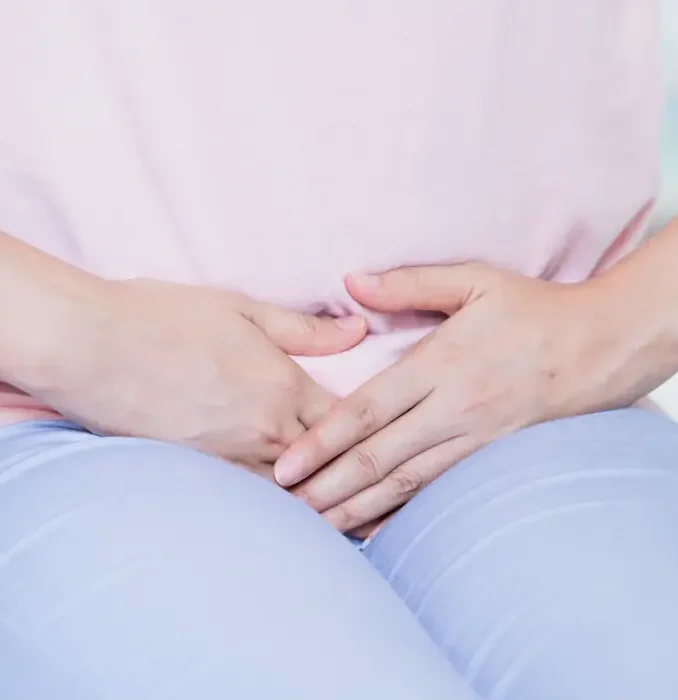
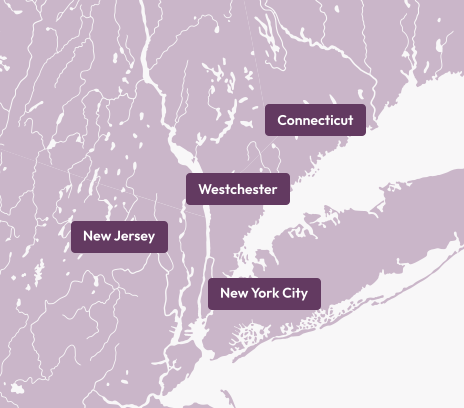
Vulvodynia is a persistent burning, stinging, irritation, or rawness at the entrance to the vagina that doesn’t always show up on a standard test. It can be maddening. At Maze Health, we take a different approach: we treat vulvodynia like the real, medical pain condition it is, and we focus on getting you answers and relief without months of guesswork. Vulvodynia is defined as chronic vulvar pain lasting 3+ months, affecting the vulvar region — including the mons pubis, labia, clitoris, and vaginal opening — and the intensity and location can vary widely from person to person. The good news is that in almost every case, treatments are relatively simple once the true driver of symptoms is identified. Maze Health specializes in vulvodynia treatment for patients across Westchester, New York City, Connecticut, and New Jersey.
We start by validating what many patients have been denied: your pain is real, and it deserves a clear plan.
Maze’s difference is that we don’t treat the label — we treat the pattern.
We listen carefully to how your pain behaves: where it lives, what triggers it, what relieves it, and how long it has been present. Burning, stinging, irritation, and rawness are some of the most common descriptions we hear, and each clue helps narrow down what’s actually driving symptoms. When the driver becomes clear, treatment becomes clearer too — and in almost every case, the next steps are simpler than patients expect.
Most importantly, we’re looking to help you get your life back, not just “manage” pain indefinitely.
If you’re in Westchester, NYC, Connecticut, or New Jersey, Maze Health can help.
Reach out to contact us and learn more about our vulvodynia evaluation and treatment approach, and take the first step toward answers and relief.
Symptoms & Diagnosis
Vulvodynia is not “one kind of pain” — it’s a spectrum of chronic vulvar discomfort that can show up as burning, stinging, irritation, rawness, or sharp tenderness at the vaginal opening. Symptoms can be localized or generalized, provoked or spontaneous, primary or secondary, and may follow different timing patterns (intermittent, persistent, constant, immediate, or delayed). The most common presentation is provoked vestibulodynia, a specific subtype marked by intense pain with attempted vaginal entry (sex, tampons, exams), pressure tenderness at the vulvar vestibule (the ring of tissue surrounding the vaginal opening), and sometimes visible redness. At Maze Health, diagnosis is made through a careful history and focused genital exam to pinpoint where the pain lives, what triggers it, and what’s driving it.

One of the most validating things a patient can hear is that vulvodynia has patterns, and those patterns matter.
The most commonly reported subtype is provoked vestibulodynia, and it has a very specific “signature.”
Diagnosis is clinical and straightforward, but it requires a careful, targeted approach.
At Maze Health, evaluation begins with a detailed history to understand your pain pattern: where it is, what it feels like, what triggers it, how long it has been present, and whether it’s been constant or comes and goes. The physical exam is focused and intentional, not “one-size-fits-all.” A key part of the exam is the Q-tip test, where a clinician gently touches multiple points on the vulva and vestibule with a moistened Q-tip to map exactly where pain is present and how sensitive each area is. We also assess the pelvic floor muscles, since muscle tension can amplify pain, and cultures may be taken when appropriate to rule out infection.
Because vulvodynia has multiple possible causes, the goal of diagnosis is to identify the driver, not just name the condition.
Common contributors include hormonal changes (such as menopause, postpartum changes, breastfeeding, or birth control pill use), pelvic floor dysfunction with high muscle tone, increased nerve endings in the vestibule (congenital or acquired), vaginal infections, and contact or allergic irritants. Once we understand which factors are most likely in your case, treatment becomes more targeted, more effective, and often simpler than patients expect.
Treatment

Vulvodynia treatment isn’t one-size-fits-all — it’s cause-driven. Because vulvodynia can stem from hormonal shifts, pelvic floor dysfunction, nerve sensitivity in the vestibule, infections, or contact irritants, the most important step is an accurate diagnosis and careful exam. At Maze Health, we build treatment plans that match your pattern of pain, whether that means calming tissue sensitivity, correcting hormonal dryness, relaxing pelvic floor tone, eliminating irritants, or addressing an underlying infection. With the right diagnosis, vulvodynia treatments are often more straightforward than patients expect, and relief becomes a realistic, near-term goal.
The guiding principle of vulvodynia care is simple: treat the driver, not just the symptom.
Many treatment plans include local therapies that restore comfort at the tissue level.
If hormonal changes are contributing — such as menopause, postpartum shifts, breastfeeding, or birth control–related changes — hormonal creams may be recommended to improve tissue resilience and reduce pain. If certain medications are worsening symptoms, medication changes can be part of the solution. When inflammation or infection is present, we treat the underlying issue directly with appropriate therapy.
For patients whose pain is amplified by muscle tension, we address the pelvic floor.
Vulvar pain often pairs with high pelvic floor muscle tone, and the muscles can become protective and tight over time. In these cases, pelvic floor physical therapy, muscle relaxant suppositories, and sometimes vaginal dilation can help the pelvic floor release its guarding response and reduce pain with touch, exams, or penetration.
We also look closely at irritants and daily habits that can keep symptoms on a constant simmer.
For many patients, small changes in vulvar hygiene — including avoiding friction, fragrances, harsh soaps, and other contact irritants — can make a meaningful difference, especially when combined with medical treatment.
In more complex or severe cases, advanced options may be appropriate.
These can include vaginal injections under anesthesia or, in select situations, surgical treatment when conservative measures fail and the clinical picture supports it. The goal is never to jump to the most aggressive intervention — it’s to choose the most effective next step for your specific diagnosis and pain pattern.
Bottom line: vulvodynia is treatable, but it requires precision.
When diagnosis is careful and treatment matches the cause, patients often experience significant improvement — not just “coping,” but true relief.
Emotional Impact of Vulvodynia
Living with vulvodynia isn’t just physically painful — it’s emotionally exhausting. Chronic vulvar pain often comes with a constant background fear: What if this never goes away? What if this is my life now? Many patients arrive at Maze Health after seeing multiple providers without answers, and that repeated dismissal can turn into deep frustration, anxiety, and anger at the medical system. If symptoms have lasted for months or years, it’s also common to feel grief — a quiet sadness that life has narrowed around a condition you never asked for. At Maze, we treat vulvodynia as a whole-person experience, not just a diagnosis.

The emotional responses we see in vulvodynia patients are often the same ones that show up with any chronic pain condition.
Frustration is also extremely common, especially for patients who have been bounced from doctor to doctor without real help.
When vulvodynia has been present for a long time, sadness and loss can set in.
Patients often describe a sense of grief — a feeling that life has become smaller or more limited, that too much energy goes toward managing symptoms, planning around pain, and avoiding triggers. That’s not dramatic. That’s the real cost of chronic pain, especially when it affects intimacy and the most personal parts of daily life.
This is exactly why Maze Health involves a therapist as part of the process.
Not because we believe emotional or mental health issues caused vulvodynia — we don’t. We include psychological support because long-term pain changes the nervous system, impacts self-image, and can strain relationships. A therapist helps patients navigate fear, frustration, grief, and the ripple effects that pain creates, while medical treatment addresses the physical drivers.
Our goal is to support every facet of the problem because vulvodynia affects more than tissue.
It affects how a woman sees herself, how safe she feels in her body, and often the long-term health of her relationships. You deserve care that treats the pain and the person living with it.
About Dr. Werner and Maze
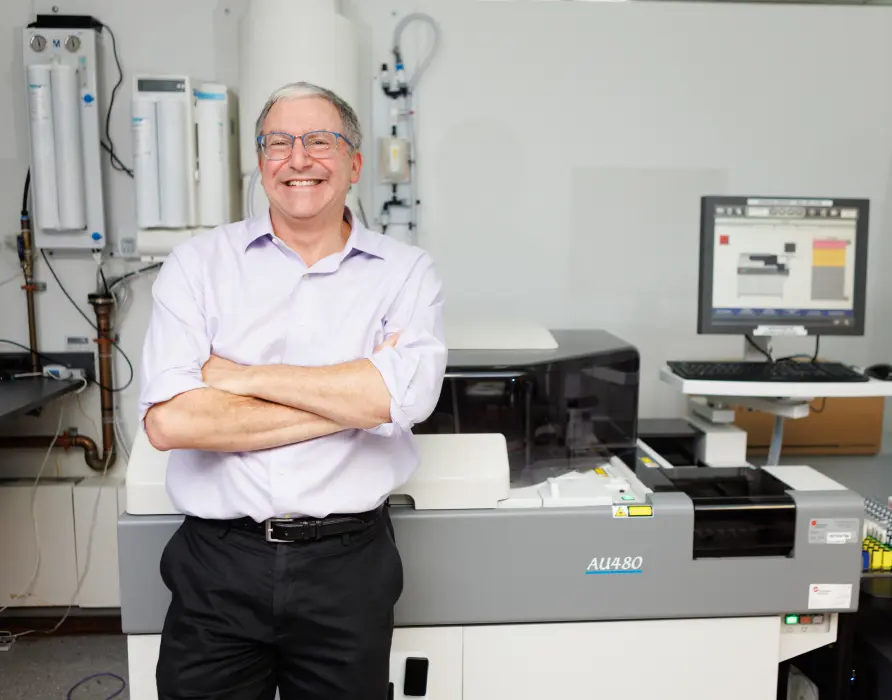
About Dr. Werner
About Maze
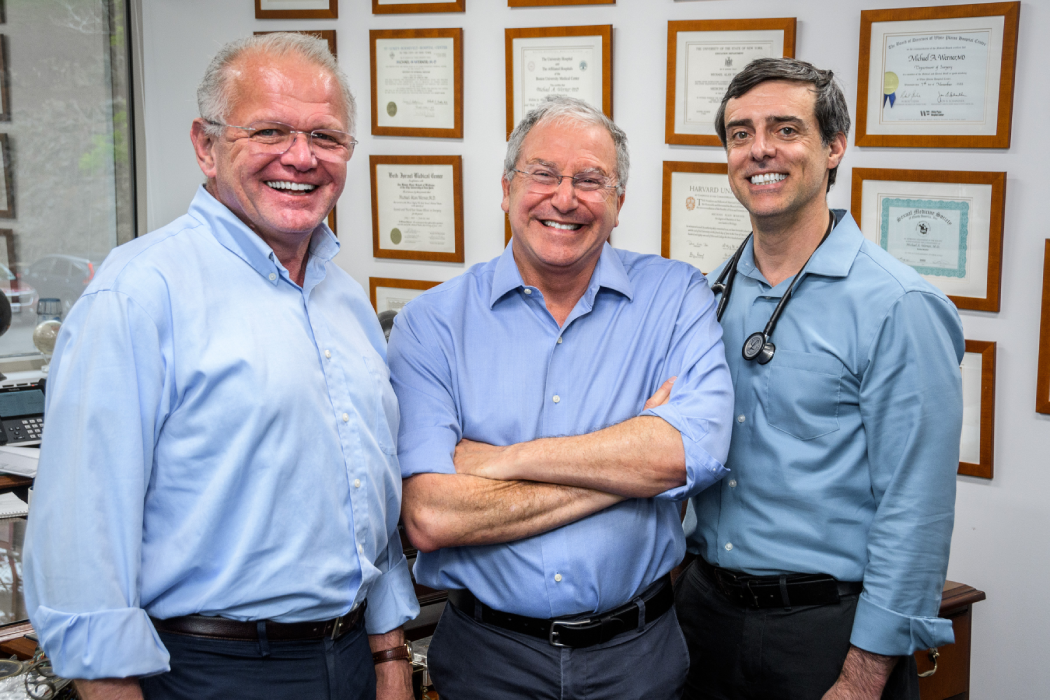


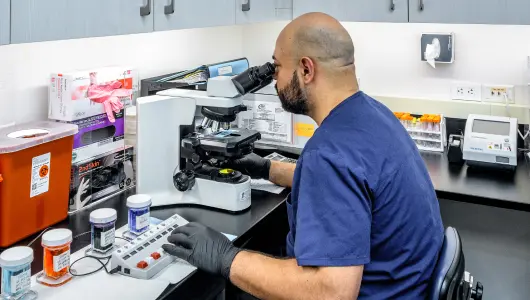
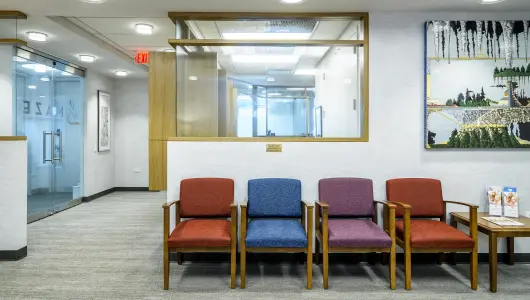

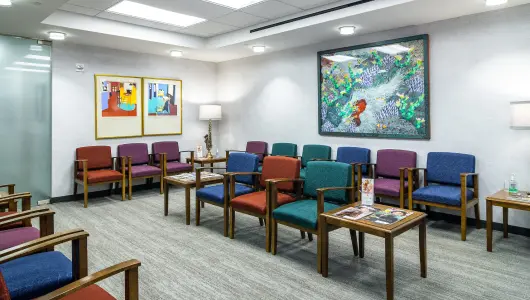


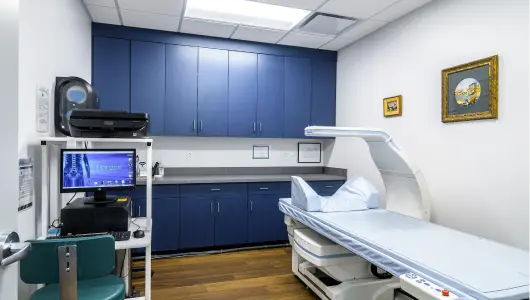
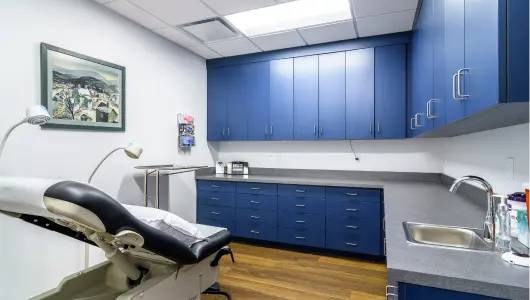
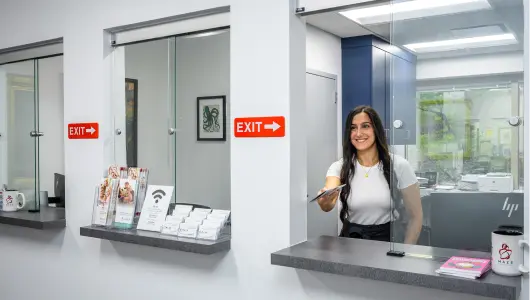
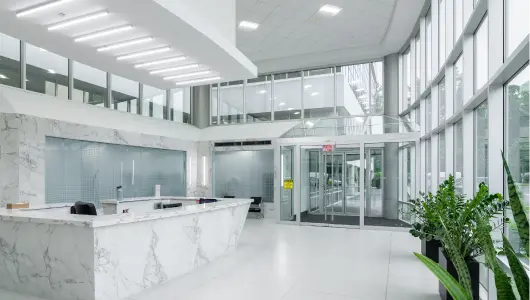
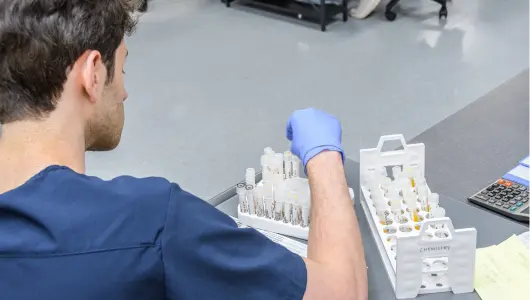
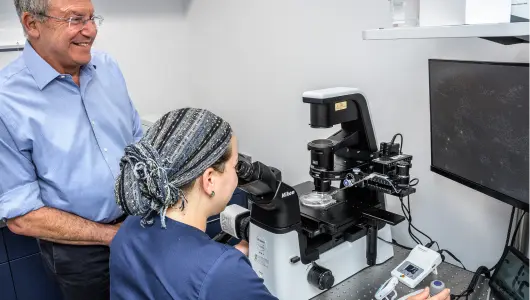

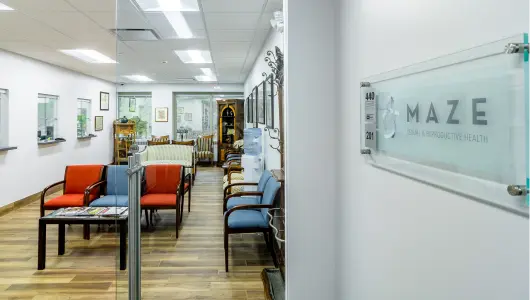
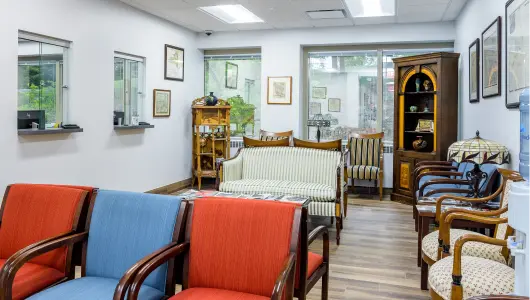
Maze facilities
Areas served
Patient Stories
Recovery from painful intercourse
My problem was very difficult to diagnose, and was given many different diagnoses. My midwife’s practice thought it was “difficult BV,” and then they said chronic yeast infections even though all the tests for yeast were negative. I suffered with pain and itching, gross discharge and uncomfortable episodes weekly, and sex, forget it, very painful. This went on and off for 4 years.
Finally I saw a GYN who told me I had vulvar vestibulitis, and started me on a regime of medicines and prescribed no sex for what seemed like forever. I followed her recommendations for months and I was not getting very much better and still no sex.
After years of pain and almost 6 months of no sex, something had to give. So she gave me the info for Maze Women’s Sexual Health, and I had my first appointment in August 2010. I couldn’t wait. I just wanted a cure.
Well, I think of myself as one who does not embarrass easily and is pretty open, but I must say the first appointment and the sexual history was a slight bit awkward, but the staff at the center make you feel so comfortable and that it is ok to talk about sex, that you loosen up almost instantly, or at least I did.
I looked forward to my appointments and to meet with people who really cared if I was getting well. Not to mention I was taking the time I needed to work on my issue and correct it.
By September, I was having sex with little to no pain, and over the next couple months I was on a regime that was working well and warded off the itching, discharge and the discomfort and the pain. It was amazing. I was so grateful.
The staff gave a working diagnosis of vulvodynia and specific treatment for it, and we tapered the treatment over time, and initially that didn’t work, so we had to resume the big guns. But by November the tapering could be done successfully, and I must say I finished with Maze in December 2010, and I am almost totally off my medications, with no relapse.
So in a matter of five months I was totally cured after 4 years of suffering and embarrassment and feelings of not being heard, and inadequacies.
I am so grateful to the staff at Maze Women’s Sexual Health for their time, and empathy and expertise. I highly recommend Maze if you are suffering with any sexual issues or medical problems in that “area” that aren’t resolving.
Don’t wait, there is no reason to!
E, NY, Age 35
Frequently Asked Questions
Is vulvodynia different than vestibulodynia or vulvar vestibulitis?
Vestibulodynia is a subset of vulvodynia. Vulvodynia refers to any pain in the vulva. Vestibulodynia is characterized by severe pain during attempted vaginal entry (intercourse or tampon insertion), tenderness to pressure localized to the vulvar vestibule (the ring of tissue surrounding the vaginal opening), and often redness of the vulvar vestibule. Vestibulodynia is pain specific to the vulvar vestibule, the small ring of tissue surrounding the vaginal opening.
Vestibulodynia and vulvar vestibulitis are synonymous terms.
How is vulvodynia diagnosed?
Vulvodynia is diagnosed through a careful history and focused genital examination.
Genital exam will include the “Q-tip test”, where the clinician will examine and stroke with a moistened Q-tip several locations on the vulva and vestibule to determine where a patient is feeling pain. An examination of the pelvic floor muscles will also be performed. Cultures may be taken to rule out infections.
What causes vulvodynia?
There are multiple causes of vulvodynia. Most common include:
- Hormonal changes (menopause, child birth, breast feeding, birth control pill use)
- Pelvic Floor Dysfunction (high pelvic muscle tone)
- Increased production of nerve endings in the vestibule (congenital or acquired)
- Vaginal infections
- Contact or allergic irritants
How is vulvodynia treated?
What are the emotional issues that come up when dealing with vulvodynia?
Emotional responses to vulvodynia are similar to those experienced by chronic pain sufferers. There is a great deal of frustration and anxiety that the problem may never resolve and that they will have to live with this pain for the rest of their lives. Women are often fed up with having gone from doctor to doctor and not getting helped and this can express itself as anger at the medical establishment.
If a woman has been suffering with the problem for a long time she can experience a sense of sadness and loss that her life has become more limited and focused on this medical condition.
It is important for patients to understand that one of the reasons that we involve a therapist in every step of the process is to help women address these issues. It is not that we believe that emotional or mental health issues have caused these problems, but rather that we think emotional and psychological support is critical when dealing with any long-term pain. Vulvodynia affects the woman, her sense of herself as a human being and often the long term health of her relationships. We want to be there to help with all facets of the problem.